
How Garbage Truck Works: A Complete Technical Guide

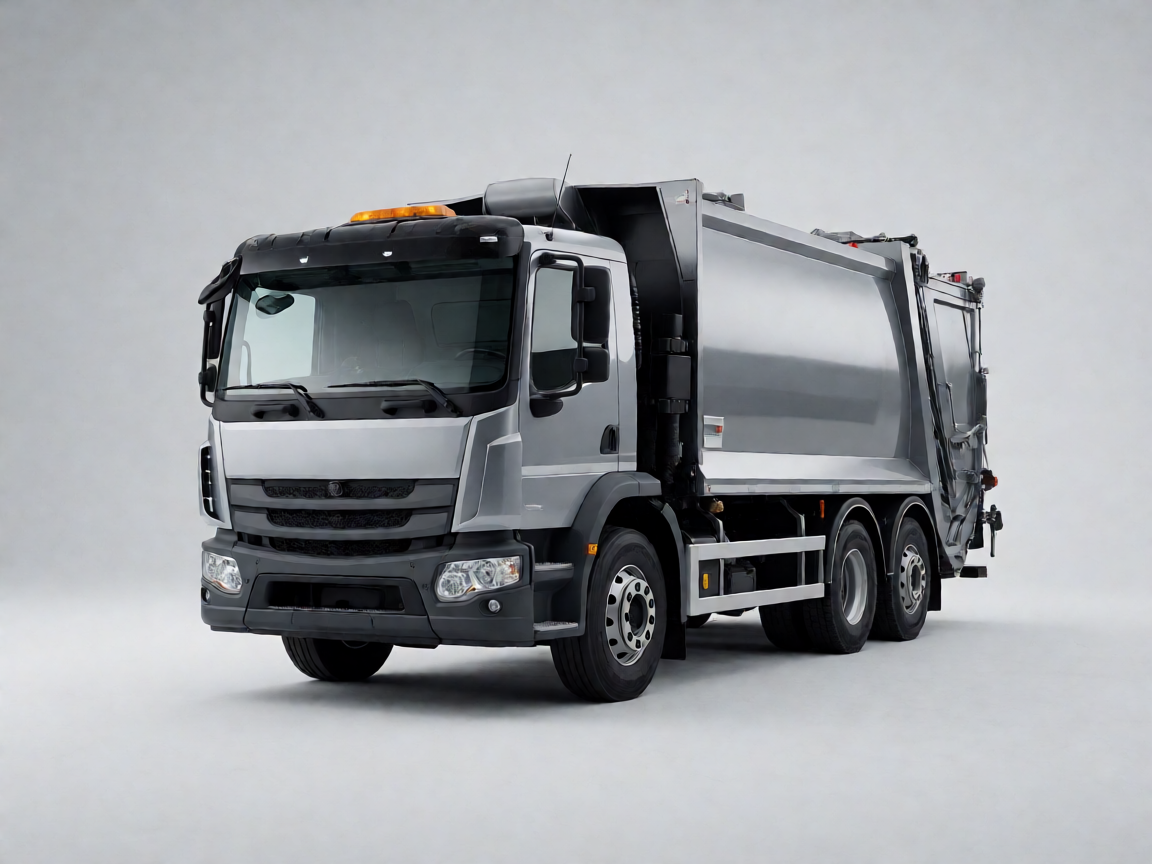
how garbage truck works Safety Overview
how garbage truck works is an important factor in commercial vehicle safety.
Introduction to Garbage Truck Systems
Understanding how garbage truck systems operate is essential for fleet managers, maintenance engineers, and procurement teams who rely on these vehicles for daily refuse collection. A modern garbage truck combines heavy-duty hydraulics, precision mechanical linkages, and reinforced steel construction to handle millions of tons of waste efficiently. The machine’s design prioritizes operator safety, loading speed, and compaction density. Meanwhile, manufacturers continuously refine hydraulic circuits and control logic to reduce cycle times and extend component life. This article explains each major subsystem in detail.
How Garbage Truck Hydraulic Compaction System Operates
The heart of any rear-loading garbage truck lies in its hydraulic compaction system. Engineers route pressurized hydraulic fluid from the truck’s power take-off (PTO) unit through control valves directly into the compactor cylinder. As a result, hydraulic pressure drives a large rectangular push plate forward across the loading opening. The push plate then forces accumulated waste material into the rear storage body, where it becomes densely compressed.
The compaction cycle repeats automatically through a programmed sequence. The push plate retracts, the cycle valve shifts position, and the plate advances again. Each subsequent stroke delivers greater compression force because the stored waste occupies less volume after each pass. Operators can adjust cycle speed and force settings using controls mounted on the side step or inside the cab. In addition, many modern trucks feature a floating blade mechanism that maintains constant pressure against the waste load, preventing material from bouncing back toward the loading hopper.
How Garbage Truck Rear Loading and Discharge Mechanism Functions
The rear loading assembly includes a large hopper, a sliding spreader blade, and a set of rear discharge doors. Waste enters through the hopper during each pickup stop. The spreader blade, driven by a separate hydraulic cylinder, moves side to side across the hopper opening. This action distributes incoming debris evenly across the full width of the body. Therefore, material stacking remains balanced, and compaction force applies uniformly throughout the waste mass.
Discharge occurs when the rear doors unlock and the dump body tilts upward on its pivot hinges. Some models use a fully lift-body design where the entire refuse container raises mechanically. Others employ a stationary body with a rear lift gate. As the body tilts, the push plate extends one final time to sweep compacted waste out through the opening. Finally, the body lowers, the doors seal, and the truck moves to the next collection point.
How Garbage Truck Cab Controls and Operator Interface Work
Modern garbage trucks provide multiple control positions to maximize operational flexibility. The primary side-control panel mounts on the driver’s left step near the hopper. Operators standing at this position can initiate the compaction cycle, raise and lower the rear doors, and engage the spreader blade. Meanwhile, an optional interior cab control panel lets the driver operate all functions without leaving the seat. This is particularly valuable during nighttime routes or inclement weather conditions.
The control interface uses solenoid valves that receive electrical signals from joysticks or push-button switches. When an operator presses a command, the controller sends a signal to the corresponding hydraulic valve. The valve then opens or closes the fluid pathway to the target cylinder. In addition, most systems include overload protection that prevents the hydraulic pump from running dry or exceeding maximum pressure limits. Safety interlocks also disable certain functions while the truck is in motion, ensuring that compaction mechanisms cannot activate during travel.
How Garbage Truck Body Construction and Wear Components Endure Daily Abuse
The refuse body must withstand constant impact from heavy, abrasive materials including construction debris, compacted trash bags, and metal containers. Manufacturers therefore construct the body from high-tensile steel plates, typically between 6 and 10 millimeters thick, depending on the model class. The interior surfaces receive hardened wear liners made from arched plate steel or polyethylene panels. These liners absorb direct impact from falling waste and reduce friction during the push plate stroke.
The hopper opening features reinforced steel edges and durable slider plates that guide the spreader blade assembly. Seal strips along the rear door perimeter prevent liquid leachate from escaping during transit. Operators should inspect these seals regularly, because worn gaskets allow foul-smelling fluids to leak onto roadways. As a result, proper seal maintenance supports both environmental compliance and public perception of the sanitation department.
How Garbage Truck Power Take-Off and Chassis Integration Affects Performance
The hydraulic pump draws mechanical power from the truck’s engine through the power take-off unit. The PTO engages via a pneumatic or electric clutch located on the transmission output shaft. Once engaged, rotational force transfers to the hydraulic pump, which generates flow and pressure for all onboard functions. Therefore, engine idle speed and PTO engagement timing directly influence hydraulic system response. Fleet managers often set a slightly elevated idle range to ensure adequate pump flow during demanding compaction cycles.
Chassis selection also matters significantly. Heavy-duty garbage trucks typically mount on a rugged medium-duty or heavy-duty commercial chassis with reinforced frame rails. The suspension must support the gross vehicle weight rating, which increases substantially when the body carries a fully compacted load. Air ride suspensions are common on newer models because they reduce frame stress and improve handling over uneven urban streets. In addition, transmissions designed for frequent shifting and high torque multiplication help maintain performance during stop-and-go collection routes.
How Garbage Truck Preventative Maintenance Extends Component Lifespan
Regular maintenance intervals follow manufacturer specifications and depend heavily on daily operating hours. Hydraulic fluid should change every 2,000 to 3,000 hours of operation, while hydraulic filters require replacement at the same interval. Engineers recommend checking fluid levels daily and inspecting hoses for cracks, bulges, or abrasion marks. Worn hydraulic lines can cause sudden pressure loss, which compromises compaction force and slows cycle times.
The compactor blade wear strips deserve close attention. These strips ride directly against the body interior liner, and excessive clearance between the blade edge and the liner allows waste to bypass the compression zone. As a result, operators lose compaction efficiency and must run additional cycles to achieve the same load density. Measuring blade-to-liner clearance during weekly inspections prevents unexpected downtime. Lubrication points on the spreader blade guide channels, rear door hinges, and pivot pins should receive grease every five operating days. Finally, electrical connectors on the control panels should stay clean and tight, because vibration from daily road use gradually loosens terminal connections over time.
how garbage truck works requires proper operation, inspection, and maintenance to reduce safety risks.
how garbage truck works requires proper operation, inspection, and maintenance to reduce safety risks.


