
Water Tanker Fire Truck: Technical Specifications and Equipment Overview

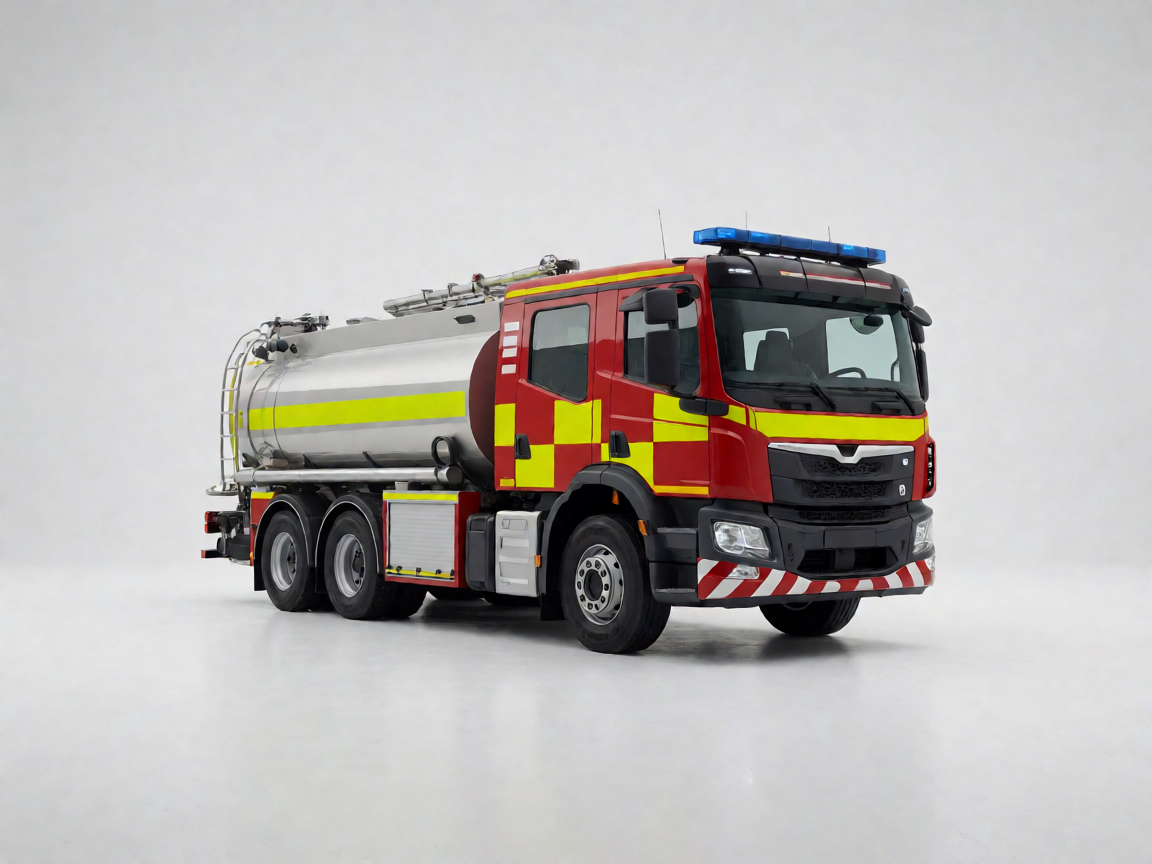
water tanker fire truck specs Safety Overview
Water tanker fire truck specs define the performance boundaries for municipal and rural emergency response units. Fleet operators evaluating these vehicles need accurate technical data before procurement decisions.
The CSC5150GXFSG50/E6 model represents a mid-range water tanker fire truck designed for township-level emergency services. This vehicle carries 5 tons of water in a 304 stainless steel tank. The choice of stainless steel material matters for corrosion resistance during repeated chemical exposure and long-term outdoor storage.
Core Water Tanker Fire Truck Specs
Understanding these specifications helps buyers match vehicle capabilities to operational requirements.
Tank Capacity and Material
The 5-ton water tank provides sufficient volume for initial attack operations in suburban and rural environments. Engineers constructed the tank from 304-grade stainless steel, which offers superior resistance to oxidation compared to carbon steel alternatives. This material selection extends service life in demanding firefighting conditions.
Solution: Buyers operating in coastal or high-humidity regions should prioritize 304 stainless steel tanks over standard carbon steel construction to reduce maintenance costs over the vehicle lifespan.
Fire Monitor and Pump System
The PS30 fire monitor serves as the primary water delivery device on this unit. The monitor delivers a streamlined jet and a wide spray pattern, giving crews flexibility during structural and vegetation fire suppression. Meanwhile, the integrated pump system pressurizes water flow through the monitor nozzle at controlled rates.
Solution: Operators should verify pump pressure ratings against local building codes before deployment. The PS30 monitor typically operates within a flow range suitable for Class A and light Class B fire scenarios.
Lighting and Imaging Equipment
The vehicle features a full automatic 1.2-meter lifting and tilting light tower. This equipment deploys rapidly at incident scenes and provides照亮 coverage during nighttime operations. The 360-degree panoramic camera system feeds real-time video to the cab display, improving situational awareness for drivers navigating tight streets or confined rural roads.
Solution: Fleet managers should train operators on camera system calibration procedures. Proper calibration ensures accurate distance judgment when maneuvering the truck in reverse during emergency responses.
Technology Integration
Modern water tanker fire truck specs increasingly include electronic navigation and tracking systems. This model incorporates a GPS global positioning system that supports route optimization and dispatch coordination.
In addition to navigation, the GPS unit enables fleet administrators to monitor vehicle location, fuel consumption patterns, and maintenance scheduling across multiple stations. These data points prove valuable for operations managers overseeing distributed emergency response networks.
Solution: Purchase orders should specify GPS integration requirements with existing dispatch software platforms. Compatibility between vehicle telematics and central command systems reduces implementation time significantly.
Operational Performance
Engineers designed this fire truck for rapid deployment and stable operation during active firefighting. The chassis suspension absorbs road vibrations effectively, which protects sensitive equipment mounts and maintains crew comfort during extended travel to incident scenes.
The equipment layout follows ergonomic principles. Crew members access tools and hose connections through organized compartments positioned along both vehicle sides. As a result, setup time between arrival and water discharge remains minimal.
Solution: Maintenance schedules should include quarterly inspections of all compartment latching mechanisms. Worn latches compromise equipment security during transit and create safety hazards on busy roadways.
Maintenance Recommendations
Regular servicing extends vehicle reliability and ensures compliance with emergency response standards.
Weekly inspections should cover water tank drain valves, pump seals, and monitor pivot points. Monthly checks require testing the full pump system at rated pressure and verifying GPS antenna connectivity.
Annually, qualified technicians should perform comprehensive pump certification tests and inspect the stainless steel tank interior for coating degradation. In addition, brake system service, tire rotation, and fluid replacements follow standard commercial vehicle maintenance intervals.
Solution: Establish a digital log system tracking each maintenance event against mileage and calendar dates. Digital records simplify regulatory audits and support warranty claims when manufacturer defects appear.
Procurement Considerations
Buyers comparing water tanker fire truck specs should evaluate total cost of ownership rather than purchase price alone. Tank material quality, pump component sourcing, and electronics supplier reputation all influence long-term operating expenses.
Finally, verify that the manufacturer provides adequate technical documentation and parts availability for the target market. Vehicles with limited aftermarket support create operational downtime when specialized components require extended procurement lead times.


