
Water Pump Priming Procedure for Commercial Sprinkler Trucks

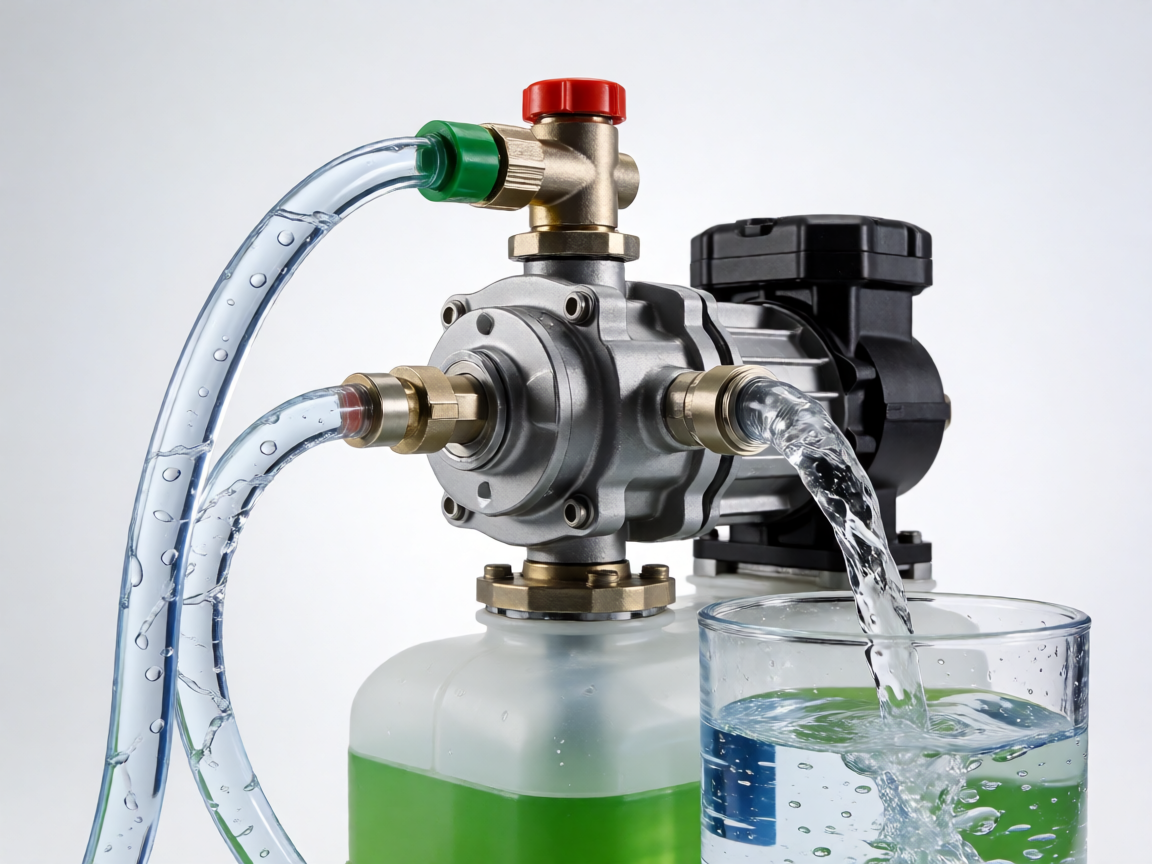
water pump priming procedure Safety Overview
Understanding the Water Pump Priming Procedure
The water pump priming procedure represents one of the most critical operational steps for commercial sprinkler trucks. Engineers who design these vehicles emphasize that improper priming causes the majority of pump failures in the field. When a centrifugal water pump operates without proper priming, it cannot generate the vacuum necessary to draw water into the system. As a result, the pump runs dry, generates excess heat, and suffers premature seal and bearing damage. Fleet operators who ignore this fundamental procedure frequently replace pumps far earlier than their expected service life.
Commercial vehicle manufacturers specify exact priming requirements because the water transfer system depends entirely on maintaining a sealed and filled pump chamber before engagement. The water pump priming procedure varies between standard centrifugal pumps and self-priming models, yet both require disciplined operator adherence. This guide addresses the operational procedures that maintenance engineers and fleet managers need to implement consistently.
Common Causes of Priming Failure
Incomplete Foot Valve Operation
The foot valve located at the bottom of the suction pipe serves as a critical check valve that retains water inside the suction line after shutdown. When this valve fails to seal properly, water drains back into the source before the next operation. Operators then attempt to prime an empty suction line, which dramatically extends the priming cycle. Furthermore, debris accumulation on the valve seat prevents complete closure over time. Solution: Inspect the foot valve regularly and clean the strainer basket before each operational cycle. Replace worn valve components immediately when leakage occurs.
Damaged or Degraded Suction Hoses
Suction hose integrity directly affects the vacuum level the pump can maintain. Collapsed, cracked, or internally degraded hoses allow atmospheric air to enter the system during the drawing phase. This air intrusion breaks the vacuum seal and prevents water from reaching the pump chamber. In addition, loose hose clamps create micro-leaks that compound over time. Solution: Conduct a visual inspection of all suction hose sections before connection. Verify that clamps torque to manufacturer specifications and replace any hose showing internal wire reinforcement exposure or wall softening.
Insufficient Prime Water Volume
Centrifugal pumps require a specific volume of priming water to fill the volute cavity and seal ring clearance properly. Operators sometimes add inadequate water volume during the priming process, particularly when working from small containers. Therefore, the pump chamber remains partially filled with air pockets that disrupt the hydraulic seal. Solution: Follow the manufacturer-specified priming water quantity found in the vehicle operating manual. Use a calibrated container when adding priming water to ensure consistent volume delivery.
Improper Gear Engagement Timing
Taking the power take-off gear into engagement while the pump is still spinning down from a previous cycle creates mechanical shock. Meanwhile, engaging the PTO before confirming the pump is fully primed causes the impeller to spin in an air-dominated environment. Both scenarios damage the mechanical seal and degrade bearing performance. Solution: Always verify complete priming before engaging the PTO. Allow the pump shaft to come to a full stop between operational cycles, and confirm the priming water chamber is completely filled before gear engagement.
“
The Water Pump Priming Procedure Step by Step
Executing the water pump priming procedure correctly requires a systematic approach that maintenance teams should treat as a non-negotiable checklist. The following sequence applies to standard centrifugal pump installations found on most东风 and 解放-based sprinkler trucks.
Step One: Pre-Operation Inspection
Before attempting any priming, verify that the water tank level is sufficient for the intended operation. Inspect the suction hose routing and confirm that the strainer sits at the lowest point of the water source. If drawing from a pond or river, position the strainer at least thirty centimeters below the water surface to prevent vortex formation and air entrainment. In addition, check that all tank outlet valves are closed except the one connected to the active discharge line.
Step Two: Connect the Suction Line
Attach the suction hose to the pump inlet and secure all clamps to specification. Ensure the foot valve submerges fully underwater without touching the bottom sediment layer. Sediment ingress through a raised strainer position compromises the impeller and wear rings over repeated cycles.
Step Three: Add Priming Water
Open the priming port on the pump housing and introduce the required volume of clean water. The exact quantity depends on pump displacement, but typical commercial vehicles require between three and five liters. Close the priming port securely once filling completes. Operators using self-priming pumps should note that the initial fill is necessary only on the first use of the day or after the pump has been completely drained.
Step Four: Establish Vacuum and Engage PTO
Start the engine and allow it to reach idle operating temperature. Engage the power take-off at engine idle speed, then gradually increase RPM to the rated pump speed. Monitor the pressure gauge closely during this phase. A healthy vacuum reading appearing within ten to fifteen seconds indicates successful water draw. If no pressure buildup occurs within thirty seconds, shut down immediately and recheck for air leaks in the suction circuit.
Step Five: Verify Flow and disengage
Once steady pressure stabilizes, open the discharge valve to the desired flow rate. Before shutting down, close all discharge valves, then disengage the PTO. Finally, drain the pump housing through the bleed port if the vehicle will remain idle for extended periods in cold conditions.
Operational Best Practices for Sprinkler Truck Operators
Proper water handling extends beyond the priming cycle itself. Operators must understand how source water quality affects pump longevity.清水泵 models require water free from suspended solids and abrasive particles. Conversely,浊水泵 designs tolerate higher particulate content but still demand protection against large debris and stones that damage impeller channels.
Furthermore, operators should never run the pump dry for more than thirty seconds. Dry running destroys mechanical seals within minutes by eliminating the water film that provides both lubrication and cooling. Fleet managers should train drivers to recognize the sound change that indicates loss of prime. A sudden increase in pump noise accompanied by vibration typically signals cavitation caused by air ingestion.
Winter Maintenance and Cold Weather Procedures
Cold climate operations demand specific preparation before winter conditions arrive. Water remaining inside the pump casing and suction lines freezes and expands, which cracks cast iron housings and destroys precision-machined seal surfaces. Operators in northern regions should drain all water from the pump, pipelines, and tank low-point outlets after each use during winter months.
In addition, use automotive-grade antifreeze in any closed-loop circuits where applicable. Park vehicles in heated garages when possible, and install insulated covers on exposed pump housings during extended outdoor storage. These measures prevent thermal shock to seals and gaskets that occurs when cold components suddenly encounter warm priming water.
Maintenance Recommendations for Fleet Engineers
Regular maintenance intervals should include inspection of the mechanical seal condition, bearing play measurement, and impeller clearance verification. Replace wear rings when clearance exceeds the manufacturer maximum specification to prevent internal recirculation losses. Lubricate all PTO output shaft bearings according to the scheduled interval, typically every five hundred operating hours.
Clean the tank interior periodically through the排污管 drain outlet. Accumulated sediment reduces effective tank capacity and can block the suction strainer inlet. Run the drain until clear water exits before closing the valve. Finally, maintain a service log documenting each priming event and any anomalies observed, because pattern recognition in failure data helps fleet engineers predict component replacement needs before roadside breakdowns occur.


