
Choosing the Right Engine Oil Viscosity for Commercial Vehicles

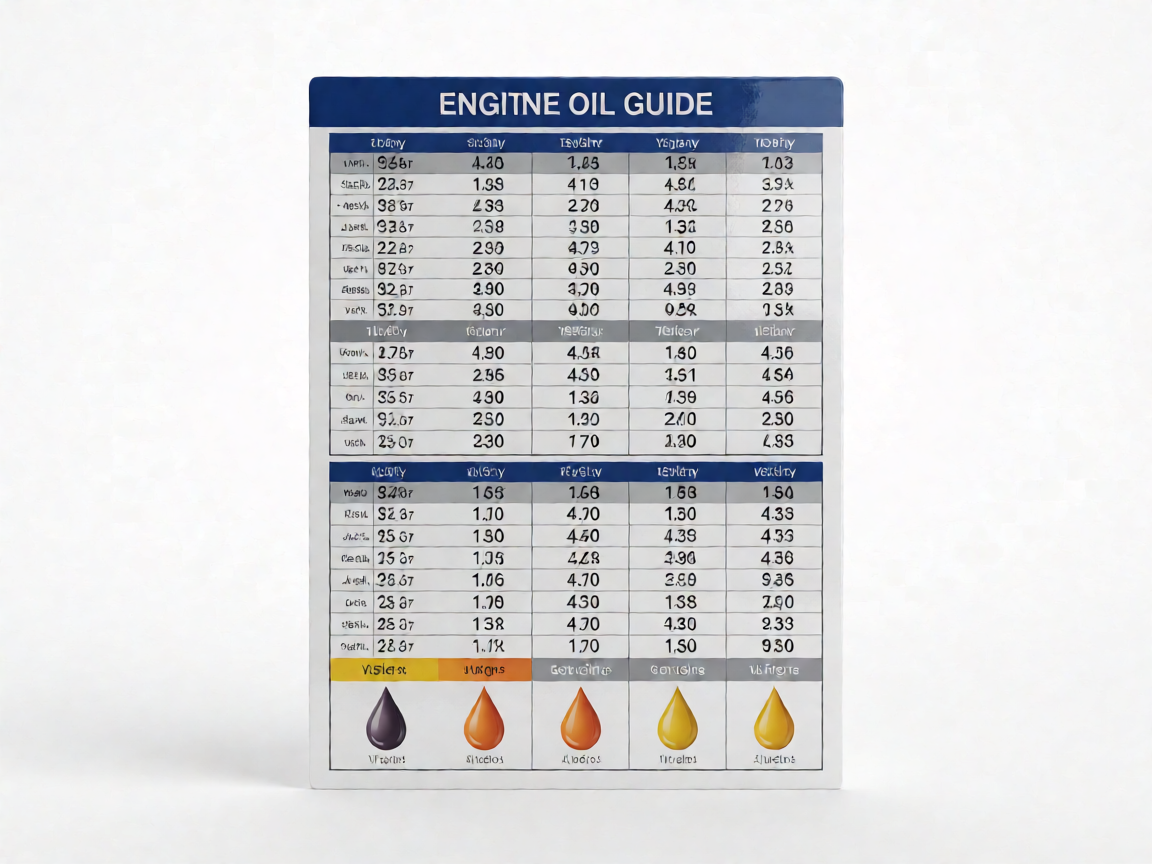
engine oil viscosity guide Safety Overview
The engine oil viscosity guide is essential for anyone who operates or maintains commercial diesel engines. Selecting the wrong oil grade can reduce fuel efficiency, increase engine wear, and shorten service intervals. This article explains how truck buyers, dealers, importers, fleet operators, and maintenance engineers should approach oil selection in real-world conditions.
What Engine Oil Viscosity Actually Means
Viscosity describes how easily oil flows at different temperatures. SAE J300 defines the standard grades used across the commercial vehicle industry. An oil rated 15W-40, for example, must meet specific cold-cranking and high-temperature viscosity limits at both -15°C and 150°C. Multi-grade oils like this remain thin enough for cold starts while still maintaining a protective film at operating temperature.
Engine manufacturers specify viscosity ranges based on bearing clearances, pump capacity, and expected operating temperatures. Using oil outside those ranges creates direct consequences for oil pressure, combustion chamber cleanliness, and component lifespan.
Four Key Factors for Selecting Engine Oil
Match Oil to Engine Design Requirements
Engine designers specify a minimum and maximum viscosity grade for each platform. High-output turbocharged diesel engines often require 15W-40 or 10W-40 to maintain adequate oil pressure at bearing surfaces. Older or lightly loaded engines may operate correctly on 20W-50. However, putting a thin oil in a high-stress engine causes rapid wear. Conversely, using a heavy oil in an engine designed for thinner fluid reduces fuel economy and increases parasitic drag on the oil pump.
Solution: Always consult the OEM operator manual before selecting oil. The manual lists the approved SAE viscosity range for each engine variant. Do not substitute based on assumptions from a different vehicle platform.
Prefer Multi-Grade Oils for Commercial Applications
Multi-grade oils deliver measurable advantages over single-grade products in demanding commercial use. They provide better cold-start protection, longer drain intervals, and improved fuel economy compared to equivalent single-grade oils. SAPIENS engines, for instance, are calibrated for multi-grade formulations that maintain stable viscosity across wide temperature swings.
Operators may notice two characteristics that differ from older single-grade oils: darker fluid appearance after a few thousand kilometers and slightly lower idle oil pressure readings. These observations are normal and do not indicate a problem. The darker color comes from superior detergent and dispersant packages keeping soot and deposits in suspension. Lower idle pressure occurs because multi-grade oils flow more freely at low temperatures, which is exactly what the design intends.
Solution: Specify certified multi-grade oils such as 15W-40 or 10W-40 meeting ACEA E7/E9 or API CK-4 specifications. Monitor oil pressure at operating temperature rather than at idle, and use oil analysis to confirm condition before extending drain intervals.
Domestic and Regional Oil Options Are Viable
Several domestic and regional oil manufacturers now produce commercial-grade products that meet or exceed international specification requirements. These oils frequently carry significantly lower price points than premium imported brands while delivering comparable protection when formulated to the same ACEA or API standards. Fleet operators who evaluate oils by specification compliance rather than brand origin often achieve substantial cost savings without sacrificing engine life.
Solution: Verify that any oil you purchase carries the correct specification markings on the container. Check for ACEA E-class, API CK-4, or manufacturer-approved approvals such as Mercedes-Benz 228.31/228.32, Volvo VDS-4, or Renault RLD-3. The specification rating matters far more than the brand name.
Adjust Viscosity for Temperature and Engine Condition
Ambient temperature and engine wear state directly influence which viscosity grade delivers optimal performance. In cold climates or during winter operations, a lower winter-grade number such as 10W-30 or 5W-40 improves cranking speed and reduces wear during the critical first minutes after startup. Thin oil reaches bearing surfaces faster, minimizing dry-running time.
Meanwhile, in high-temperature environments or in engines showing significant bearing wear, a heavier oil such as 20W-50 helps maintain oil film strength and compensates for increased clearances. Thicker oil resists thinning at high temperatures and provides better pressure retention in worn engines. Nevertheless, jumping to a much heavier grade should only happen when wear is confirmed through inspection and oil analysis, not as a routine practice on a healthy engine.
Solution: Maintain a seasonal oil rotation plan. Switch to lower W-rated oil before winter and consider higher高温 viscosity grades during sustained high-load summer operations. Record ambient temperatures and engine hours to make data-driven switches.
Understanding SAE Viscosity Grades for Commercial Diesels
The SAE J300 classification system uses a simple numbering structure that everyone in the commercial vehicle sector should understand. Single-grade oils carry numbers like 30, 40, or 50, indicating their high-temperature viscosity only. Multi-grade oils carry two numbers separated by a W, such as 15W-40, where the first number indicates cold-temperature performance and the second indicates high-temperature performance.
| SAE Grade | Typical Use Case | Temperature Range |
|---|---|---|
| 5W-30 | Light-duty trucks, cold climates | -30°C to 35°C |
| 10W-40 | Moderate climates, mixed duty cycles | -25°C to 40°C |
| 15W-40 | Standard commercial diesel, most common | -20°C to 45°C |
| 20W-50 | High-temperature operation, worn engines | -15°C to 50°C |
Engine manufacturers typically recommend 15W-40 as the standard grade for most heavy-duty diesel applications. This grade balances cold-start flow with high-temperature film strength across the widest range of operating conditions.
Oil Analysis and Monitoring Practices
Routine oil analysis provides objective data about engine condition and oil degradation. Fleet maintenance teams should sample oil every 25,000 to 50,000 kilometers depending on service intervals and operating severity. Key parameters to track include viscosity change, soot loading, fuel dilution, wear metals, and additive depletion.
For example, a rising iron or chromium reading suggests increased wear in cylinder liners or piston rings. Elevated fuel dilution above 3 percent indicates possible injector leakage or excessive idling. Significant viscosity loss points to fuel dilution or incorrect oil grade selection. Therefore, oil analysis complements visual inspection and operating logs to form a complete maintenance picture.
Solution: Partner with a certified laboratory for oil analysis services. Establish baseline readings for each engine model and track trends over time. Use trend data, not single readings, to make drain interval and viscosity adjustment decisions.
Maintenance Recommendations for Fleet Operators
Fleet operators should implement a structured oil management program that covers specification verification, storage conditions, fill procedures, and drain interval management. Each of these areas affects engine longevity when neglected.
- Store oil in climate-controlled conditions. Extreme heat degrades additives, and freezing causes separation in some formulations.
- Use clean, sealed containers and dedicated transfer equipment. Contamination from dirty funnels or open drums introduces particles that accelerate wear.
- Replace oil filters at every drain. Never reuse old filters or extend intervals between filter changes beyond OEM recommendations.
- Track oil consumption. A healthy engine consumes less than 0.5 liters per 1,000 kilometers. Higher consumption warrants inspection for piston ring wear, seal leakage, or incorrect viscosity.
- Document every oil change with grade, volume, filter part number, and mileage. This record supports warranty claims and helps identify recurring issues across similar engine units.
Common Mistakes to Avoid
Several widespread mistakes compromise engine protection and increase total cost of ownership. Mixing different oil brands or specifications can destabilize additive packages and reduce performance. Using oil that does not meet the manufacturer’s required specification voids warranties in many cases.
Overfilling the oil sump creates foaming, which reduces lubrication effectiveness and can cause pressure loss. Underfilling starves high-pressure gallery feeds and leads to accelerated cam and bearing wear. Both errors are preventable with proper dipstick checks and calibrated fill procedures.
Solution: Follow the manufacturer’s specified fill capacity exactly. Check the level after the engine reaches operating temperature and the oil has drained back to the sump. Never add oil beyond the marked maximum on the dipstick.
Final Technical Advice
Selecting the correct engine oil involves more than reading a viscosity number on a container. It requires understanding your engine design, your operating environment, and your maintenance capabilities. This engine oil viscosity guide should serve as a practical reference for making informed decisions across your fleet.
Engineers and maintenance managers who invest time in proper oil selection consistently see longer overhaul intervals, lower fuel consumption, and fewer unplanned breakdowns. The difference between a well-lubricated engine and a prematurely worn one often comes down to a single decision made at the pump. Choose carefully, verify specifications, and maintain disciplined monitoring practices.
engine oil viscosity guide requires proper operation, inspection, and maintenance to reduce safety risks.


