
Aluminum Tanker Weight Advantages: A Technical Analysis for Commercial Operators

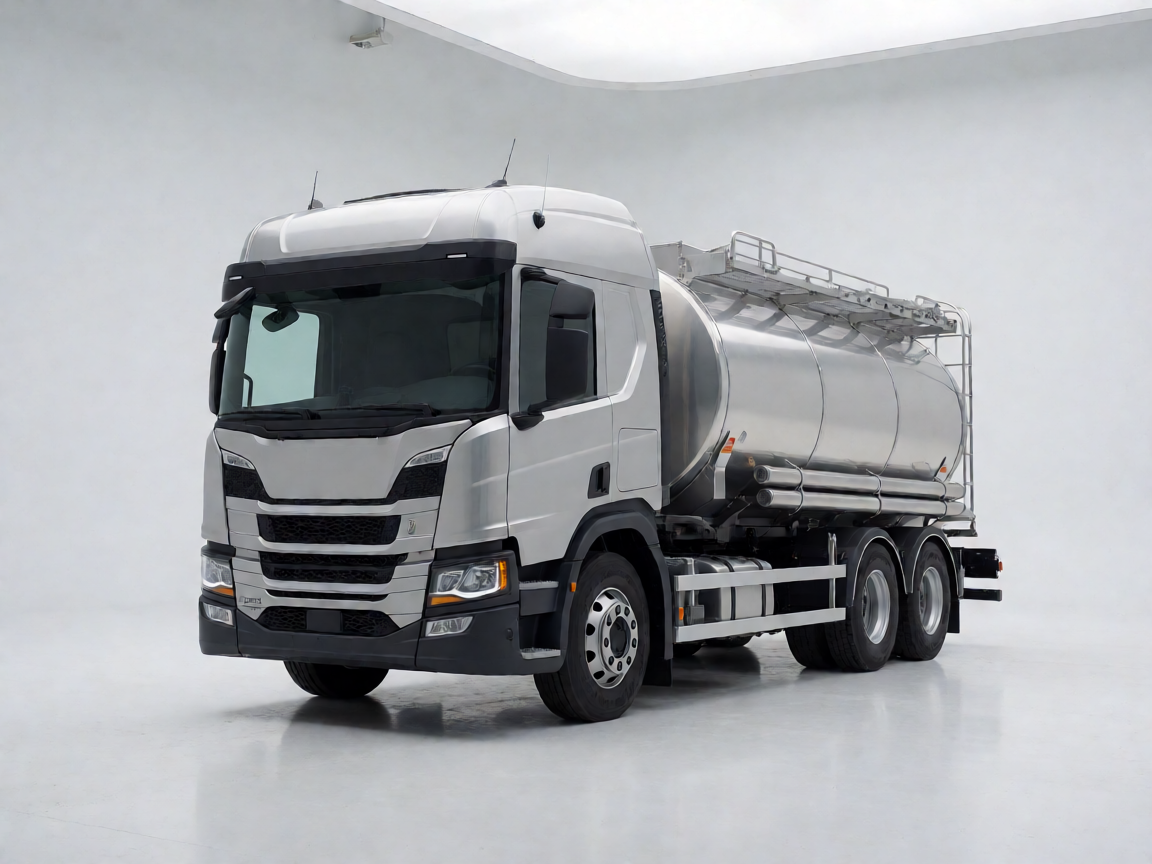
aluminum tanker weight advantages Safety Overview
Lighter vessel construction transforms how fleet operators calculate payload limits, fuel consumption, and total operating cost. The aluminum tanker weight advantages directly affect every metric that matters on daily routes. Operators in Europe, Japan, and North America have relied on aluminum tankers for more than eight decades. Meanwhile, Chinese markets still predominantly use carbon steel tanks. This gap exists because aluminum construction delivers measurable reductions in tare weight and increases in deadweight cargo capacity. That difference translates into real revenue per trip.
Material Density and Structural Design
Aluminum alloys used in tanker fabrication typically carry a density of approximately 2,700 kg/m³, compared with 7,850 kg/m³ for carbon steel. This ratio means an aluminum panel of equivalent strength weighs roughly one-third as much as its steel counterpart. Engineers therefore design aluminum tank walls thinner than steel tanks while maintaining identical pressure ratings and structural integrity. As a result, a 50,000-liter aluminum tanker shell weighs between 2,800 and 3,500 kilograms. A comparable carbon steel shell weighs closer to 5,500 to 6,500 kilograms. That 2,000-kilogram difference represents pure payload capacity added to every journey.
Manufacturers construct these tanks using marine-grade 5083 or 6061 aluminum alloys. These alloys offer excellent corrosion resistance and maintain mechanical strength across wide temperature ranges. During fabrication, engineers employ friction stir welding rather than conventional arc welding. Friction stir welding produces joints with superior fatigue resistance and fewer defects. Therefore, aluminum tanks achieve longer service intervals and fewer structural repairs over their operational life.
Aluminum Tanker Weight Advantages for Payload Capacity
Maximum legal axle loads define the fundamental boundary of commercial transport economics. Most jurisdictions impose a gross vehicle weight limit of 49,000 kilograms for a standard six-axle combination. Operators must subtract the vehicle tare weight from this legal maximum to determine usable payload. A lighter tanker directly increases that payload figure. Therefore, aluminum tanker weight advantages manifest most clearly in payload economics.
Consider a typical diesel fuel transport operation. A carbon steel tanker with a 42,000-liter capacity might carry 33,600 kilograms of product. The tare weight consumes approximately 15,400 kilograms of the legal gross limit. An aluminum version of the same tanker could carry the identical 33,600 kilograms of fuel while registering a tare weight near 13,000 kilograms. Fleet operators gain approximately 2,000 kilograms of additional cargo volume per trip. Over a year of daily operations, that surplus compounds into substantial revenue gains.
For bulk liquid commodities such as chemical solutions, edible oils, and lubricating base stocks, payload density varies significantly. Lightweight liquids with low specific gravity benefit disproportionately from reduced tare weight. Operators carrying methanol, ethanol, or food-grade products realize the greatest relative improvement in loadable volume. As a result, route optimization becomes simpler because aluminum tankers approach legal gross limits before reaching full tank volume on lighter products.
Fuel Consumption and Operating Cost Reduction
Vehicle mass directly correlates with fuel consumption. Rolling resistance increases linearly with weight, and acceleration fuel penalties grow exponentially under heavy loads. A 2,000-kilogram reduction in tare weight typically lowers diesel consumption by 2 to 3 percent on highway routes. That percentage may appear modest, yet it compounds across thousands of annual kilometers and dozens of vehicles in a fleet.
Independent fleet studies demonstrate that aluminum tankers achieve average fuel savings between 1.8 and 2.6 liters per 100 kilometers compared with equivalent steel units. For a vehicle covering 120,000 kilometers annually, this difference equals approximately 2,160 to 3,120 liters of diesel saved per year. At prevailing fuel prices, the annual saving reaches several thousand dollars per unit. Fleet managers therefore recover the higher initial purchase price of aluminum tanks within two to four years through fuel economy alone.
Reduced mass also decreases brake wear, tire consumption, and suspension component fatigue. These secondary savings often remain uncalculated in standard acquisition models. However, maintenance engineers observe that aluminum tanker fleets consistently report lower per-kilometer servicing costs. The lighter chassis places less stress on driveline components as well, extending interval lengths for oil changes, clutch replacements, and differential servicing.
Corrosion Resistance and Service Life Extension
Carbon steel tanks require internal and external protective coatings to resist corrosion from liquid cargoes and environmental exposure. These coatings degrade over time, particularly at weld seams and baffle attachment points. Maintenance crews must inspect, sandblast, and repaint steel tanks at regular intervals. Aluminum forms a natural oxide layer that self-heals when scratched or abraded. This characteristic eliminates the coating maintenance cycle entirely.
Operators transporting aggressive chemical cargoes find aluminum construction particularly advantageous. Many acids, alkalis, and solvent-based products attack carbon steel aggressively. Aluminum 5083 alloy resists corrosion from most organic compounds and mild inorganic solutions. Therefore, tank cleaning procedures become simpler and less frequent. Cross-contamination risks decrease because smooth aluminum surfaces do not harbor residue in corroded pitting areas.
The extended service life of aluminum tanks affects depreciation calculations significantly. A well-maintained aluminum tanker retains usable structural condition for 15 to 20 years. Carbon steel equivalents typically require major refurbishment or replacement after 10 to 12 years. Fleet planners factor this longevity into five-year and ten-year capital replacement schedules.
Resale Value and Asset Recovery
Aluminum scrap commands a consistently high market price, typically ranging between 1,200 and 1,800 dollars per metric ton depending on alloy composition and regional demand. When an aluminum tanker reaches end of service life, operators recover significant scrap value from the tank body, pump packages, and piping assemblies. Carbon steel scrap values remain substantially lower per kilogram, and steel tanks often arrive at dismantlers in deteriorated condition requiring costly disposal procedures for residual cargo contamination.
The residual value differential further narrows the total cost gap between aluminum and steel tankers. Buyers in the used equipment market recognize the remaining service life in aluminum vessels and pay premium prices accordingly. Fleet operators planning asset turnover at five to seven year intervals should include this recovery figure in their acquisition models. The aluminum tanker weight advantages therefore extend beyond operational savings into asset management strategy.
Safety Performance Characteristics
Aluminum exhibits favorable energy absorption characteristics during collision events. The material deforms predictably under impact, absorbing kinetic energy through controlled buckling rather than catastrophic fracture. This behavior protects the tank integrity barrier and reduces the likelihood of cargo release during moderate severity incidents. In addition, aluminum conducts electricity efficiently, which helps dissipate static charge buildup during fuel loading operations.
Tank designers incorporate aluminum-specific safety features such as internal rolling baffles that reduce liquid surge during emergency maneuvers. These baffles weigh considerably less than steel alternatives, further preserving the payload advantage. Pressure relief valve sizing follows identical standards regardless of tank material. Engineers select relief device set pressures based on cargo vapor pressure characteristics rather than tank construction material.
Manufacturing Process and Quality Control
Modern aluminum tanker production requires specialized fabrication facilities. Plate rolling, orbital welding, and non-destructive testing equipment represent significant capital investment. Manufacturers source pre-hardened aluminum plate from certified mills and maintain strict thickness tolerances throughout the forming process. Automated welding systems produce consistent joint quality across large panel assemblies.
Quality assurance protocols include hydrostatic pressure testing at 1.5 times the design pressure, ultrasonic thickness gauging at critical stress points, and visual inspection of all weld seams. Third-party certification bodies validate compliance with national tank specifications and international dangerous goods transport regulations. Operators should verify that their supplier holds current certification for the relevant design standard before placing procurement orders.
Maintenance Recommendations for Aluminum Tankers
Daily inspection routines should examine the external tank surface for mechanical damage, coating degradation on painted sections, and condition of all fittings and valves. Operators must address dent repair promptly because deep indentations compromise local structural strength. Cleaning programs should use non-abrasive methods and pH-neutral detergents to preserve the natural oxide layer.
Annual professional inspections should include ultrasonic thickness measurement at baffle attachment regions, gasket condition assessment, and verification of pressure relief device calibration. Lubrication schedules for valve stems and pump seals follow manufacturer specifications and should not deviate based on tank material alone. Drain valves and sample cocks require particular attention because these components experience the most frequent mechanical cycling.
Fleet maintenance managers should maintain detailed records of each tank inspection cycle, repair history, and cleaning chemical compatibility logs. These records support regulatory compliance and provide data for comparing aluminum tanker performance against previous steel units. The operational data accumulated over multiple years typically confirms the projected fuel economy and maintenance cost advantages described in acquisition business cases.
Conclusion
The aluminum tanker weight advantages deliver measurable improvements across payload capacity, fuel efficiency, corrosion resistance, and residual asset value. Fleet operators evaluating tank replacement decisions should model total cost of ownership rather than comparing acquisition price alone. The higher upfront investment in aluminum construction pays returns through increased revenue per trip, lower fuel expenditure, and reduced maintenance burden throughout the asset lifetime. As regulatory frameworks increasingly emphasize emission reduction and transport efficiency, aluminum tank construction continues gaining market share worldwide. Operators who adopt this technology early position their fleets competitively for evolving economic and environmental requirements.


