
Water Tanker Truck Export: Engineering, Quality Control, and Market Access

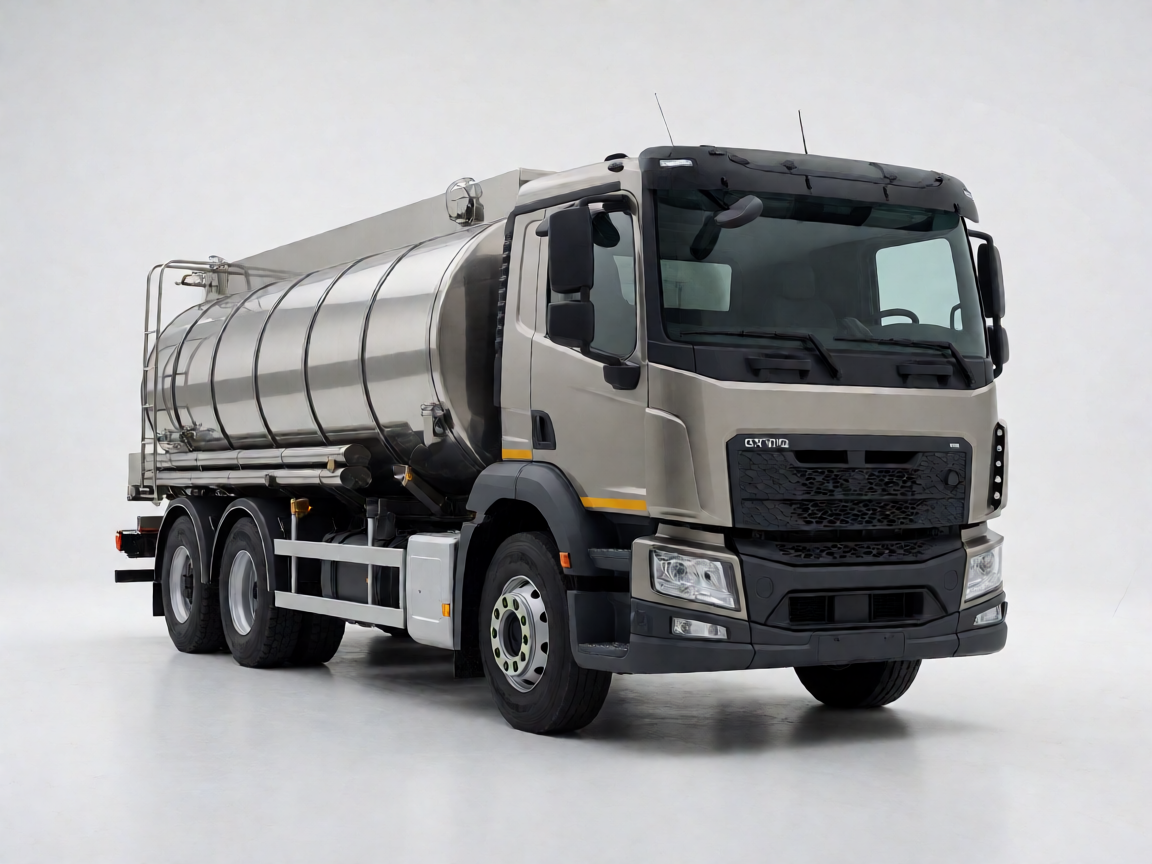
water tanker truck export Safety Overview
A water tanker truck export project requires careful attention to engineering specifications, material selection, and international compliance standards. When a Chinese manufacturer in Suizhou, Hubei prepared 50 water tanker trucks for shipment to Venezuela in April 2015, the operation demonstrated how domestic producers can meet demanding overseas requirements. The order came through a partnership with Jianghuai Motors, which placed a 200-unit contract for water tankers destined for South American deployment.
Engineering Specifications for Water Tanker Truck Export
Water tanker trucks for export demand specific engineering considerations that differ from domestic-only models. The chassis selection, tank fabrication, and ancillary equipment all require validation against the target market’s operating conditions.
Chassis and Powertrain Selection
The base chassis determines payload capacity, ground clearance, and suitability for local road conditions. For the Venezuelan order, engineers selected a heavy-duty chassis platform from Jianghuai Motors that could support a fully loaded water tank while meeting the suspension and drivetrain requirements for varied terrain.
Solution: Manufacturers should validate chassis specifications against the export destination’s road network, climate extremes, and fuel quality standards before finalizing the order.
Tank Fabrication and Materials
Water tanker tanks require corrosion-resistant materials because the cargo may carry additives or operate in humid environments. The Suizhou facility used approved steel grades with internal coatings that prevent contamination of the water supply during transit.
Solution: Specify tank lining materials based on the intended fluid type. For potable water applications, use food-grade stainless steel or certified epoxy coatings that comply with health regulations.
Pumping System Integration
A water tanker truck export typically includes a PTO-driven pump system with discharge valves, hose connections, and flow control mechanisms. The pump capacity must match the operational needs of the importing country—whether for municipal water supply, dust suppression, or firefighting support.
Solution: Confirm pump flow rates and pressure ratings with the end user before manufacturing. Provide multiple discharge configurations to accommodate local hose standards.
Quality Control During Manufacturing
The 50-unit Venezuelan delivery in 2015 highlighted how a single facility can maintain consistent quality across a large export batch. Each water tanker truck underwent structural inspection, leak testing of the tank seams, and functional verification of the pump and valve systems before loading onto vessels.
Solution: Implement a multi-stage quality inspection process. Check weld integrity, coating thickness, and pump performance at defined checkpoints during production.
International Certification and Documentation
Exporting commercial vehicles requires documentation that satisfies both the origin country’s manufacturing standards and the destination country’s import regulations. Key documents include the certificate of origin, commercial invoice, packing list, bill of lading, and any emission or safety certifications required by the importing nation.
Solution: Work with the freight forwarder and the importing agent early in the process. Confirm document requirements before production begins so that testing and certification do not delay shipment.
Market Expansion Strategy
The success of the Jianghuai Motors partnership reinforced the manufacturer’s position in both domestic and international markets. The company committed to continuous工艺 improvement and expanded its production capacity to serve emerging demand across Africa, Southeast Asia, and South America.
Solution: Track export orders by region and identify recurring specification patterns. Standardize configurable options across models to reduce production complexity while meeting diverse regional requirements.
Maintenance and After-Sales Support
A water tanker truck export deal extends beyond delivery. Fleet operators in the destination country require spare parts availability, technical documentation in the local language, and training for maintenance personnel. The Suizhou manufacturer provided bilingual operation manuals and stocked critical spare parts for the Venezuelan delivery.
Solution: Prepare a spare parts list recommended for the first two years of operation. Include wear items such as pump seals, valve gaskets, and hose fittings that operators will replace regularly.
Technical Recommendations for Buyers and Importers
Importers should evaluate suppliers based on production volume capacity, export delivery history, and after-sales service structure. Meanwhile, fleet operators must verify that the tank volume, axle configuration, and legal dimensions comply with the destination country’s road transport regulations.
Solution: Request a pre-shipment inspection report that covers tank weld examination, pressure test results, and final vehicle roadworthiness checks. Retain photos and measurement records for customs and insurance purposes.
Finally, a structured approach to water tanker truck export combines engineering precision with regulatory compliance and operational readiness. Manufacturers who invest in quality control and documentation accuracy build the reputation needed for sustained international growth.


