
Tanker Truck Specifications: A Complete Technical Guide

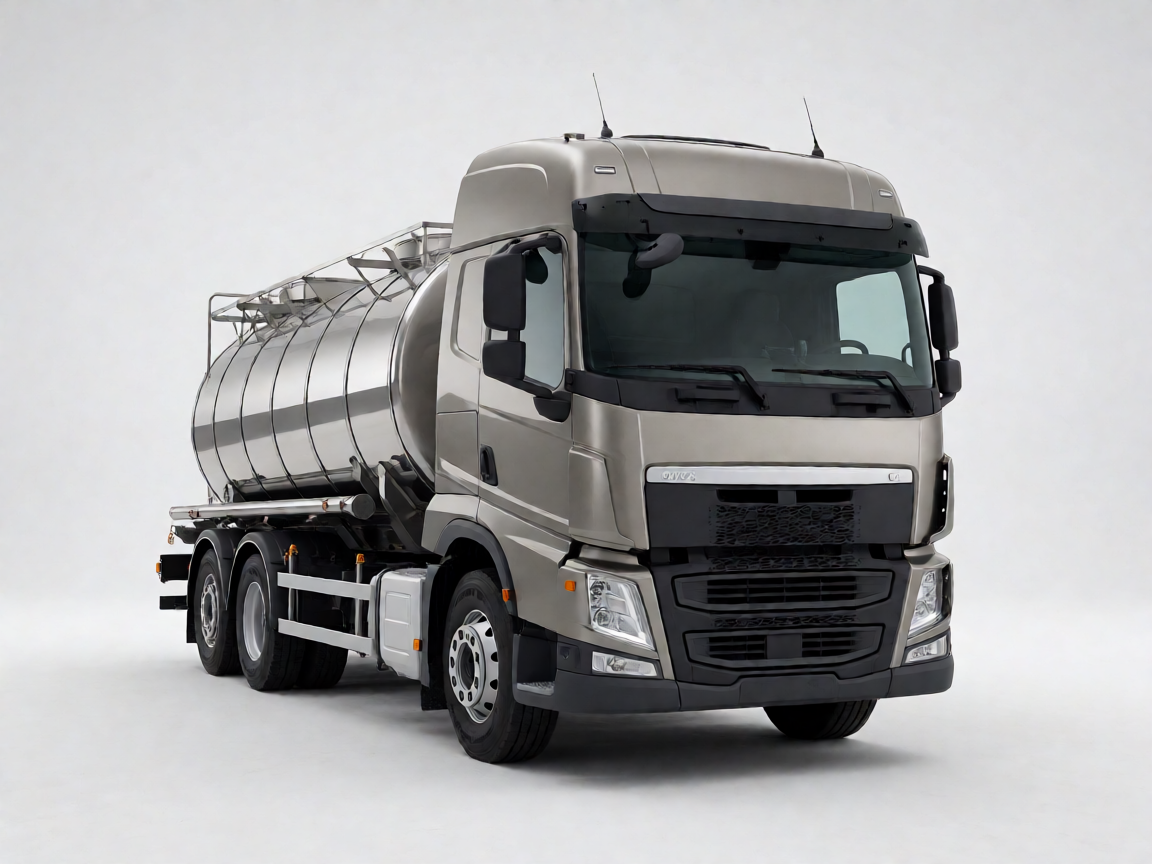
tanker truck specifications Safety Overview
tanker truck specifications play a critical role in commercial fleet operations. Engineers, fleet managers, and importers must understand these parameters before making purchasing decisions. The right tanker configuration affects payload capacity, fuel efficiency, regulatory compliance, and overall operational cost.
Key tanker truck specifications for Commercial Applications
Understanding tanker truck specifications requires examining multiple engineering dimensions. Each parameter influences how the vehicle performs under real-world operating conditions. Manufacturers design these specifications around the intended cargo type, operating environment, and regulatory jurisdiction.
Tank Capacity and Volume
Tank capacity represents the most fundamental specification. Engineers measure this in cubic meters or gallons depending on the target market. A standard multi-compartment tanker typically holds between 15,000 and 40,000 liters per compartment.
Meanwhile, single-compartment units can reach volumes exceeding 50,000 liters for bulk liquid transport. However, larger tanks require correspondingly powerful chassis and suspension systems to handle the weight distribution. Therefore, manufacturers often specify both tare weight and gross vehicle weight rating alongside tank capacity.
Solution: Fleet operators should calculate their average load requirements first. They then select a tanker that matches their typical payload without excessive empty running. Over-sizing a tank increases fuel consumption on partially loaded runs.
Chassis and Axle Configuration
The chassis selection directly affects tank performance. Axle configurations vary from 3-axle to 5-axle arrangements depending on gross weight class. For example, a 38-tonne rigid tanker typically uses a 3-axle steering tag setup. In contrast, 44-tonne semi-trailer tankers employ 3 axles on the trailer with a fifth wheel coupling.
Engineers also consider axle spacing when optimizing tank volume. Longer wheelbases allow greater tank lengths while maintaining legal axle load limits. In addition, suspension type — whether air or leaf spring — influences ride quality and cargo integrity during transit.
Solution: Match the chassis rating to your heaviest expected loads. Always include a margin above maximum legal axle weights. Air suspension provides better cargo protection for sensitive liquids, whereas leaf springs offer simpler maintenance at lower cost.
Material and Corrosion Resistance
Tank material selection depends entirely on the product being transported. Stainless steel tanks dominate the food-grade and chemical sectors due to their corrosion resistance and cleanability. Carbon steel tanks serve bulk fuel and oil applications where cost efficiency matters more than surface finish.
Furthermore, aluminum tanks offer significant weight savings — typically 30 percent lighter than comparable stainless units. This weight advantage translates directly into additional payload capacity. However, aluminum requires careful handling during cleaning and inspection.
Solution: Food and beverage operators should specify AISI 304 or 316L stainless steel with an internal polish of Ra 0.8 micrometers or better. Chemical tanker buyers must verify material compatibility charts for each specific compound before ordering.
tanker truck specifications for Regulatory Compliance
Different markets impose distinct regulatory requirements that directly shape tanker truck specifications. Importers face the added complexity of meeting multiple standards across operating regions.
ADR and RID Classification
European road transport of dangerous goods follows ADR regulations. These classify tank materials, pressure ratings, and safety equipment based on the hazard category of the cargo. For instance, a tank carrying flammable liquids requires different fitting specifications than one designed for corrosive substances.
Similarly, the UN number and packing group assignment determines mandatory features such as pressure relief valves, internal baffles, and emergency shut-down systems. In addition, the IBC code applies to intermediate bulk containers mounted on or within the vehicle structure.
Solution: Work with the chassis manufacturer and tank builder early in the specification process. Provide them with your complete cargo list including UN numbers. They will configure the correct safety fittings and documentation accordingly.
GB Standards for Chinese Market
China enforces GB 1589 for dimensional limits and GB 7258 for general safety technical conditions. These standards govern maximum vehicle dimensions, axle loads, and safety equipment requirements. Tanker trucks operating in China must carry specific marking plates indicating design pressure, test pressure, and approved cargo types.
Chinese regulations also mandate rear underrun protection devices, side guards, and specific lighting configurations. Meanwhile, the emission standard — currently China VI — affects engine selection and exhaust aftertreatment system specifications.
Solution: Chinese market tankers must display the complete certification plate with GB compliance markings. Importers sourcing from Chinese manufacturers should verify that all documentation meets destination country requirements before shipment.
Weight and Dimension Limits
Legal axle weights and overall dimensions vary significantly between markets. Australia permits higher gross combinations than Europe, while North American specifications differ again. A 45-tonne B-double operates legally in Australia but would exceed legal limits in most European countries.
Therefore, tanker truck specifications must account for the primary operating jurisdiction. Designers also consider bridge restrictions, minimum turning radii, and height clearances along the intended route network.
Solution: Route planning software and geofencing tools help operators identify dimensional constraints before deploying a new tanker. Always verify local road restrictions for wide or heavy loads on your primary corridors.
Specialized tanker truck specifications by Application
Different cargo types demand fundamentally different tank configurations. The specification process begins with cargo characterization, not vehicle selection.
Fuel and Lubricant Tankers
Fuel transport tankers prioritize throughput efficiency and safety. Multi-compartment designs separate different fuel grades — typically unleaded petrol, premium petrol, and diesel — within a single tank body. Baffles or surge plates prevent dangerous liquid movement during acceleration and braking.
Safety features include grounding cables, spark-proof fittings, and flame arrestors on all vent lines. In addition, many operators specify heated trace systems for cold climate operation to maintain fuel viscosity.
Solution: Specify electrostatic grounding systems certified to relevant standards. Ensure all compartments have independent fill and discharge systems with properly rated flow control valves.
Chemical and Hazardous Liquid Tankers
Chemical tanker specifications require the most rigorous engineering review. Each cargo type presents unique hazards including toxicity, flammability, reactivity, and corrosion potential. Tanks often feature specialized coatings or linings to prevent product contamination.
Pressure-rated tanks differ substantially from atmospheric tanks. Lightly pressurized units operate at 0.5 to 4 bar design pressure, while fully pressure-rated tanks may exceed 10 bar. Heating jackets and steam coils enable transport of products requiring temperature maintenance.
Solution: Obtain a full material compatibility review from the tank manufacturer. Verify coating specifications, gasket materials, and valve seat compositions against your specific chemical products before finalizing the order.
Food and Beverage Tankers
Food-grade tankers demand the highest internal surface finish standards. Stainless steel construction with mechanically polished interiors prevents bacterial growth and allows effective cleaning between loads. Insulation and heating systems maintain product temperature during transit.
CIP (Clean-in-Place) systems represent a critical specification element. These automated cleaning circuits circulate sanitizing solutions through all internal surfaces without manual entry. Hatch openings, manways, and all wetted components must meet food contact material regulations.
Solution: Specify CIP systems with documented cleaning cycle parameters. Request material certifications for all internal components including gaskets, seals, and ball valves that contact product.
tanker truck specifications for Maintenance and Serviceability
Long-term operational cost depends heavily on how well tanker truck specifications support maintenance activities. Poorly specified equipment generates excessive downtime and repair expenses over its service life.
Accessibility and Service Points
Engineers should position all service points for ground-level access wherever possible. Grease nipples, filter accesses, and drain points must remain reachable without ladders or elevated platforms. Meanwhile, tank inspection hatches require safe access systems including integrated ladders and fall protection.
Solution: Review the service access layout before placing the order. Walk through a typical maintenance sequence on paper to identify any components that would require special equipment or unsafe work positions.
Filtration and Fluid Management
Proper filtration extends the life of all fluid-handling systems. Fuel filters, hydraulic filters, and engine oil separators should all be specified with appropriate micron ratings for the operating environment. Dusty conditions demand more frequent filter change intervals and larger capacity filter housings.
Additionally, centralized lubrication systems reduce manual greasing requirements. These systems automatically deliver measured lubricant quantities to designated points at programmed intervals.
Solution: Specify filter housing configurations that allow on-vehicle cartridge replacement. Carry spare filters aligned with your operating region dust conditions and seasonal requirements.
Tank Cleaning and Inspection
Tank interior condition directly affects cargo quality and regulatory compliance. Automatic cleaning systems — whether rotary jet washers or foam cleaning — reduce manual cleaning time significantly. Specification should include water and chemical consumption rates for the selected cleaning method.
Inspection access includes internal lighting, mirror systems, and camera ports for remote examination. Some operators specify removable internal components to facilitate thorough cleaning and inspection of all tank surfaces.
Solution: Budget for periodic professional tank inspection and certification. Establish a documented cleaning and inspection schedule that meets both operational needs and regulatory requirements.
Practical Selection Checklist
Fleet operators and importers should work through the following specification considerations systematically.
- Identify your primary cargo types and their hazard classifications before contacting manufacturers.
- Review operating route constraints including bridge heights, weight limits, and road restrictions.
- Compare total cost of ownership across specification options, not just purchase price.
- Verify manufacturer certifications for your target market including ADR, GB, or local equivalent standards.
- Confirm after-sales support availability and spare parts delivery timelines for your operating region.
- Request detailed specification sheets for each proposed configuration and compare them side by side.
Finally, engaging experienced commercial vehicle specialists during the specification phase prevents costly modifications after delivery. The right tanker truck specifications align engineering performance with commercial requirements, ensuring reliable service over the vehicle’s full operational lifetime.


