
Smart Truck Automation Features for Modern Waste Collection Vehicles

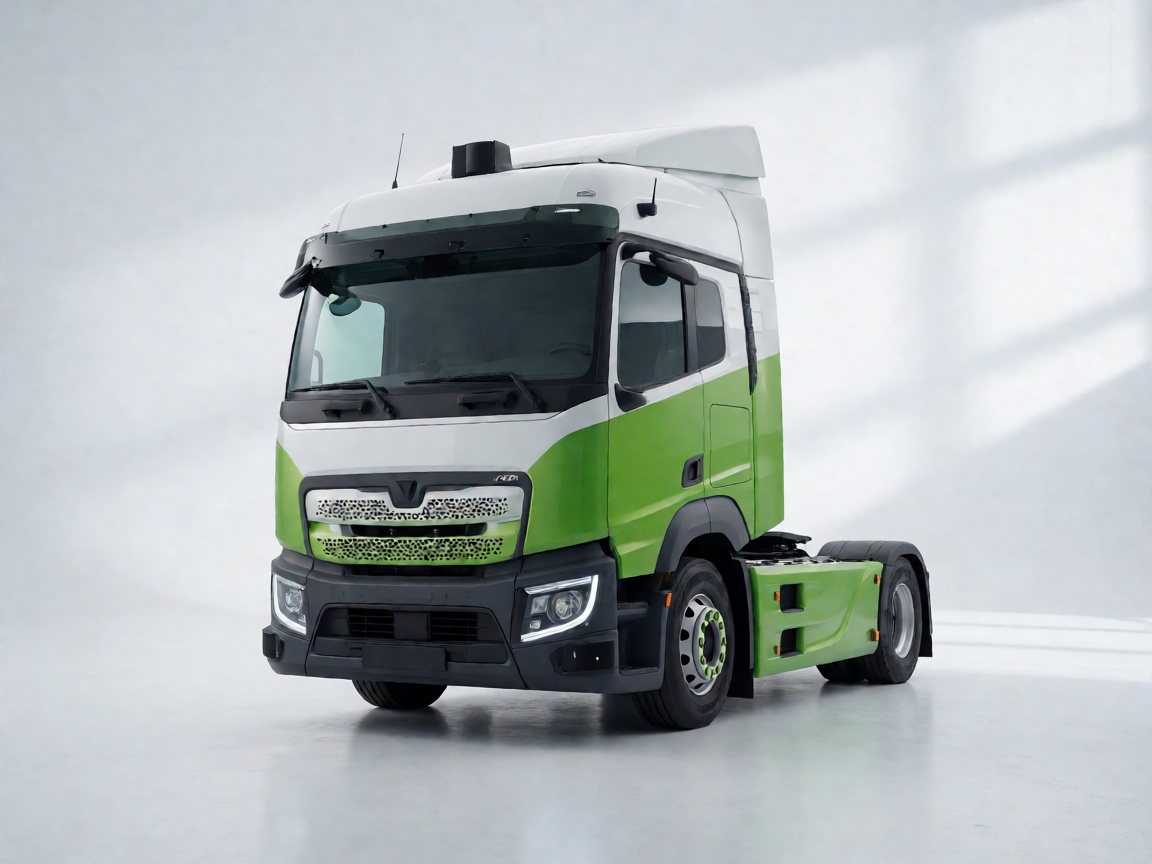
smart truck automation features Safety Overview
Smart truck automation features have redefined how waste collection fleets operate on urban routes and industrial sites. A recent breakthrough involves the CSC5080ZZZW6 intelligent mechanical arm self-loading garbage truck, jointly developed by Hubei Chusheng Automobile Co., Ltd. and the China Railway Transit (Moganshan) Research Institute under Tongji University. This development marks China’s first fully automated mechanical arm garbage collection vehicle to pass verification and engineering trials.
Core Smart Truck Automation Features
The integration of smart truck automation features in this specialized vehicle addresses long-standing operational challenges in refuse collection. Fleet operators and maintenance engineers now benefit from systems that reduce manual intervention while improving safety on busy streets.
One of the most visible automation features is the liquid crystal display paired with body-mounted cameras. Operators monitor the entire garbage collection process from inside the cab without stepping outside. Meanwhile, distance sensors detect the position of trash containers and automatically adjust the mechanical arm’s extension length accordingly. This eliminates guesswork and prevents collisions with street furniture or other vehicles.
The system also allows operators to select between 120-liter and 240-liter container specifications before each collection cycle. In addition, stress feedback during the grasping phase ensures the mechanical arm applies the correct clamping force. As a result, plastic and metal bins receive adequate grip without deformation or structural damage.
Another critical feature involves the automatic angle adjustment of the trash container during the lifting sequence. When the mechanical arm raises a full bin toward the hopper, the system recalibrates the container tilt continuously. This prevents waste material from spilling onto the road surface during transit. Finally, hydraulic cylinder sensors provide real-time data on every movement phase, giving maintenance teams complete visibility into system performance.
Tech Specifications Overview
Model: CSC5080ZZZW6
Curb Weight: 5,050 kg
Chassis: QL1080BUCAKY
Payload Capacity: 3,045 kg
Overall Dimensions: 6,280mm × 2,200mm × 2,560mm
Wheelbase: 3,815mm
These specifications reflect a mid-class refuse collection platform optimized for urban environments with moderate traffic density and standard curb heights.
Operational Control Systems
The cab-mounted control panel represents a significant advancement in driver convenience. Fleet managers appreciate that operators can execute the complete collection cycle from their seat. The one-button automatic mode handles sequencing independently once the operator selects the container type and initiates the program. However, drivers retain full manual override capability through dedicated control buttons for each individual action.
This dual-mode design proves essential for emergency situations and irregular collection scenarios. When a damaged or non-standard container appears on the route, the operator switches to manual mode and adjusts grip force, lift height, and倾倒 angle precisely. Maintenance engineers value this flexibility because it reduces wear on automated components when handling atypical loads.
The hydraulic system integration deserves special attention. Each cylinder contains embedded sensors that transmit position, pressure, and temperature data to the central control unit. Therefore, the automation system detects anomalies such as stick-slip behavior or pressure drops before they escalate into component failures.
Maintenance and Diagnostic Considerations
Regular maintenance schedules for vehicles equipped with smart truck automation features differ from conventional refuse trucks. The sensor network requires periodic calibration to maintain accuracy. Dealers serving these fleets should establish quarterly inspection routines that verify camera alignment, ultrasonic sensor responsiveness, and hydraulic cylinder seal integrity.
Software updates represent another maintenance consideration. The automation logic governing arm movement sequences and stress thresholds evolves as operators encounter new container types and site conditions. Manufacturers typically distribute firmware patches through secure dealership channels, so importers and fleet managers must maintain active service agreements.
Hydraulic fluid quality directly affects automation performance. Contaminated fluid damages sensor fittings and valve solenoids within the automation system. Fleet operators should monitor fluid particulate counts and replace filters according to the manufacturer’s interval schedule rather than extending service periods based on mileage alone.
Deployment and Market Impact
Mass production plans are advancing following successful verification trials. The next phase involves extended field testing across diverse operating environments before full market release. Municipal procurement teams and private waste management companies can expect availability for fleet deployment in the coming production cycle.
For fleet operators evaluating automation investments, the total cost of ownership analysis should account for reduced labor requirements per route, lower spill-related cleanup costs, and decreased worker compensation claims associated with manual bin handling. Meanwhile, dealers servicing these vehicles will require specialized diagnostic training to support the integrated sensor and control architecture effectively.
The CSC5080ZZZW6 platform demonstrates that smart truck automation features transition from experimental technology to practical commercial solutions. Engineering teams continue refining stress feedback algorithms and camera-based object recognition to expand compatible container sizes and improve operation speed. These incremental improvements will broaden the vehicle’s applicability across regional sanitation departments and commercial waste hauling operations worldwide.


