
Sanitation Truck Cleaning Systems: Engineering Guide for Fleet Operators

sanitation truck cleaning Safety Overview
Effective sanitation truck cleaning depends on properly engineered water delivery systems that combine pump capacity, nozzle configuration, and tank layout into a reliable daily work cycle. Fleet operators manage these vehicles across municipal roads, industrial zones, and urban corridors. Maintenance engineers troubleshoot pump failures, clogged nozzles, and valve leaks on a regular basis. The design choices made during manufacturing directly determine service intervals, water efficiency, and long-term operating costs.
sanitation truck cleaning System Architecture
A modern sanitation cleaning truck integrates several subsystems that must operate together under varying flow conditions.
High-Pressure Pump Assembly
The heart of the sanitation truck cleaning system is the high-pressure plunger pump or triplex pump mounted on the chassis engine PTO. Engineers size the pump based on required flow rate and pressure range. Typical municipal units deliver between 120 and 220 liters per minute at pressures ranging from 40 to 80 bar. Some guardrail cleaning variants operate at lower flow but higher pressure to strip adhesive residue and paint markings.
Solution: Select a pump with a cast iron or stainless steel crankcase and ceramic-coated plungers. These materials resist abrasion from mineral deposits in untreated water sources. Install a pressure relief valve rated slightly above maximum operating pressure to protect seals during transient pressure spikes.
Nozzle and Spray Bar Configuration
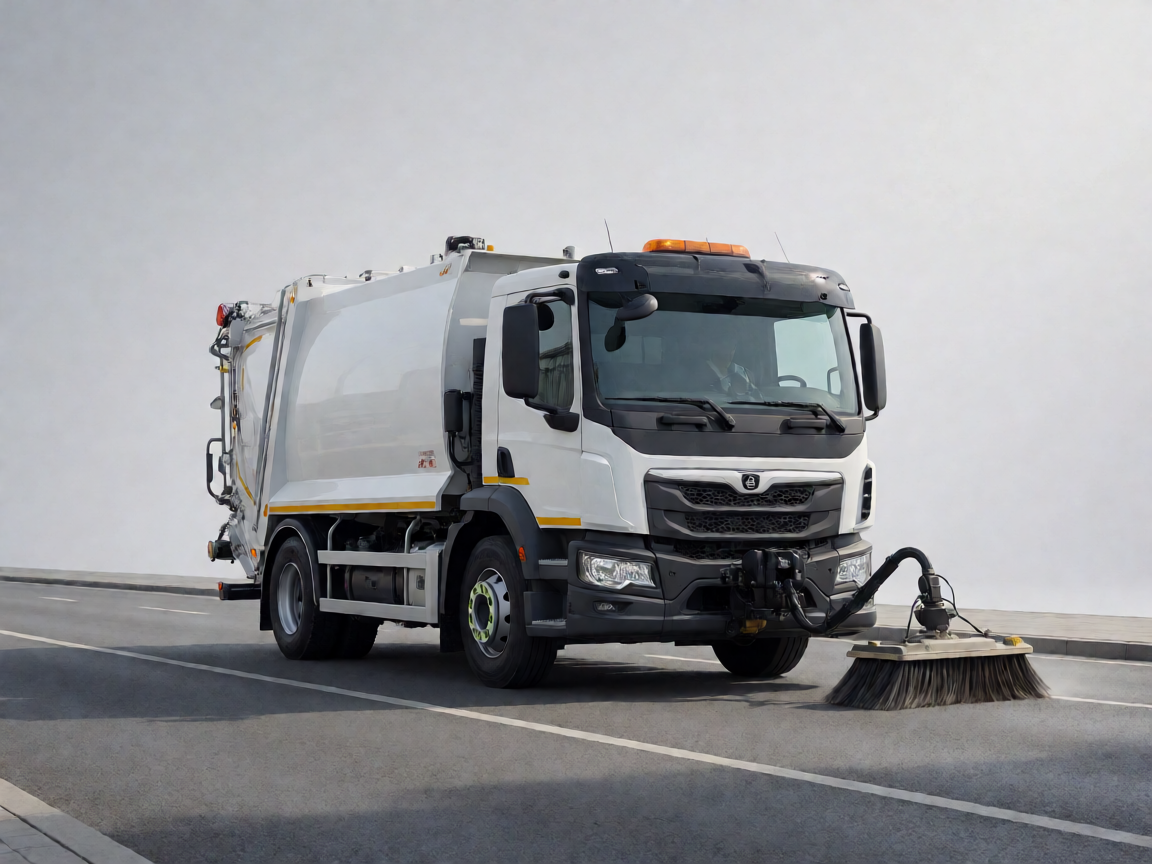
Nozzle placement determines coverage width and cleaning pattern. Front spray bars typically use fan-nozzle or jet-nozzle assemblies spaced at 150 to 300 millimeter intervals. Side brushes connect to separate water lines with dedicated control valves. Rear cleaning nozzles target gutter edges and culvert entrances.
Meanwhile, engineers adjust spray angle between 15 and 45 degrees depending on road surface texture and traffic conditions. Narrow-angle nozzles produce higher impact force for stubborn deposits. Wide-angle nozzles cover broader surfaces with lower pressure.
Solution: Use adjustable nozzle brackets that allow field repositioning without tools. Replace brass or stainless steel nozzles every 12 to 18 months depending on water quality. Hard water regions require quarterly inspection for calcium buildup inside nozzle orifices.
Tank and Water Management
Tank capacity ranges from 4,000 to 12,000 liters for standard sanitation truck cleaning units. Larger guardrail cleaning models may carry additional chemical injection tanks. Internal baffles prevent sloshing during transit and maintain chassis stability. Fill ports include mesh screens that catch debris before it enters the pump suction line.
In addition, drain valves at the lowest tank point allow complete emptying before winter storage or chemical switching. Engineers recommend stainless steel or coated carbon steel tanks for longevity. Fiberglass reinforced plastic tanks offer corrosion resistance but require careful mounting to avoid stress cracking.
Solution: Install a water level sight gauge on the tank exterior. Operators should verify volume before each shift rather than relying on estimate or guesswork. Schedule tank internal inspection every six months for sediment accumulation check.
Common Faults and Root Causes
Pump Seal Failure
Packings and mechanical seals degrade from dry running, abrasive particles, and normal wear. Operators who forget to engage water supply before starting the pump accelerate seal damage. Visible leakage around the pump shaft indicates worn packing rings.
Solution: Replace seal kits at defined intervals regardless of visible condition. Use manufacturer-specified packing material rated for the operating temperature and pressure range. Always prime the pump before engagement to maintain lubrication on seal faces.
Nozzle Clogging
Sand, silt, and mineral scale accumulate inside nozzle passages over time. Clogged nozzles create uneven spray patterns and force the pump to work against closed discharge points. This condition increases pressure load and accelerates component wear throughout the system.
Solution: Flush the entire spray bar network with clean water at the end of every operating day. Use compressed air blowing through individual nozzle outlets weekly. In regions with poor water quality, install inline filtration at the pump suction point with a mesh size no larger than 1 millimeter.
Valve Operating Resistance
Manual and pneumatic control valves stick from sediment accumulation and seal degradation. Operators report sluggish response when shifting between cleaning modes. Stuck valves cause unintended water discharge or prevent required flow to specific spray zones.
Solution: Cycle all control valves through full open and close positions during each maintenance interval. Apply compatible grease to valve stem threads and pneumatic actuator linkages. Replace diaphragm seals in pneumatic valves annually in high-use applications.
Hose and Hose Reel Failure
Flexible delivery hoses endure repeated bending, abrasion against road surface, and pressure cycling. Hose reels used for lateral cleaning nozzles accumulate grit in drum bearings and guide rollers. Damaged hoses burst under pressure and create safety hazards for nearby workers.
Solution: Inspect hoses before each shift for cracks, bulging, and fitting damage. Replace hoses showing any sign of wall deterioration. Clean hose reel drums and apply light oil to bearing shafts monthly during active service seasons.
Maintenance Schedule for Fleet Reliability
Structured maintenance prevents unexpected breakdowns during peak sanitation operations. Fleet managers should adopt the following interval-based schedule.
Daily Inspection Protocol
Operators check water levels, inspect spray patterns for consistency, verify all valve positions respond correctly, and confirm no leaks appear at hose connections. Any abnormal noise from the pump drive area warrants immediate shutdown and investigation. Document findings in the vehicle logbook before returning to service.
Weekly Service Tasks
Remove and clean all nozzle orifices using approved cleaning tools. Flush the tank through the drain valve to remove settled sediment. Lubricate all grease fittings on spray bar linkages and brush pivot points. Inspect hose reel operation and clean the winding mechanism.
Monthly and Quarterly Checks
Test pressure gauge accuracy against a calibrated reference gauge. Inspect pump oil level and condition, changing oil according to the manufacturer schedule. Examine all electrical connections on solenoid valves for corrosion. Check belt tension on the pump drive arrangement and adjust where necessary.
Annual Overhaul Requirements
Replace all worn seal kits, packing rings, and O-rings in the pump assembly. Inspect tank interior for coating damage or corrosion pitting. Pressure test the entire spray circuit at 1.5 times normal operating pressure and hold for five minutes without visible leakage. Recalibrate all pressure gauges and flow meters if equipped.
Water Quality Considerations
Source water composition significantly affects sanitation truck cleaning system durability. Municipal tap water contains chlorine and varies in hardness depending on region. Groundwater often carries dissolved minerals and suspended particles that accelerate wear.
For example, water with hardness above 150 ppm causes rapid scale formation inside nozzles and on pump surfaces. Operators in hard water areas should install chemical dosing systems or switch to treated water when available. Regular descaling with approved acidic cleaners extends component life substantially.
Finally, freezing temperatures require complete tank and line drainage before overnight parking in cold climates. Residual water expands and cracks housings, bursts valves, and damages pump casings during frozen conditions.


