
Guardrail Cleaning Truck Maintenance: Essential Procedures for Fleet Operators

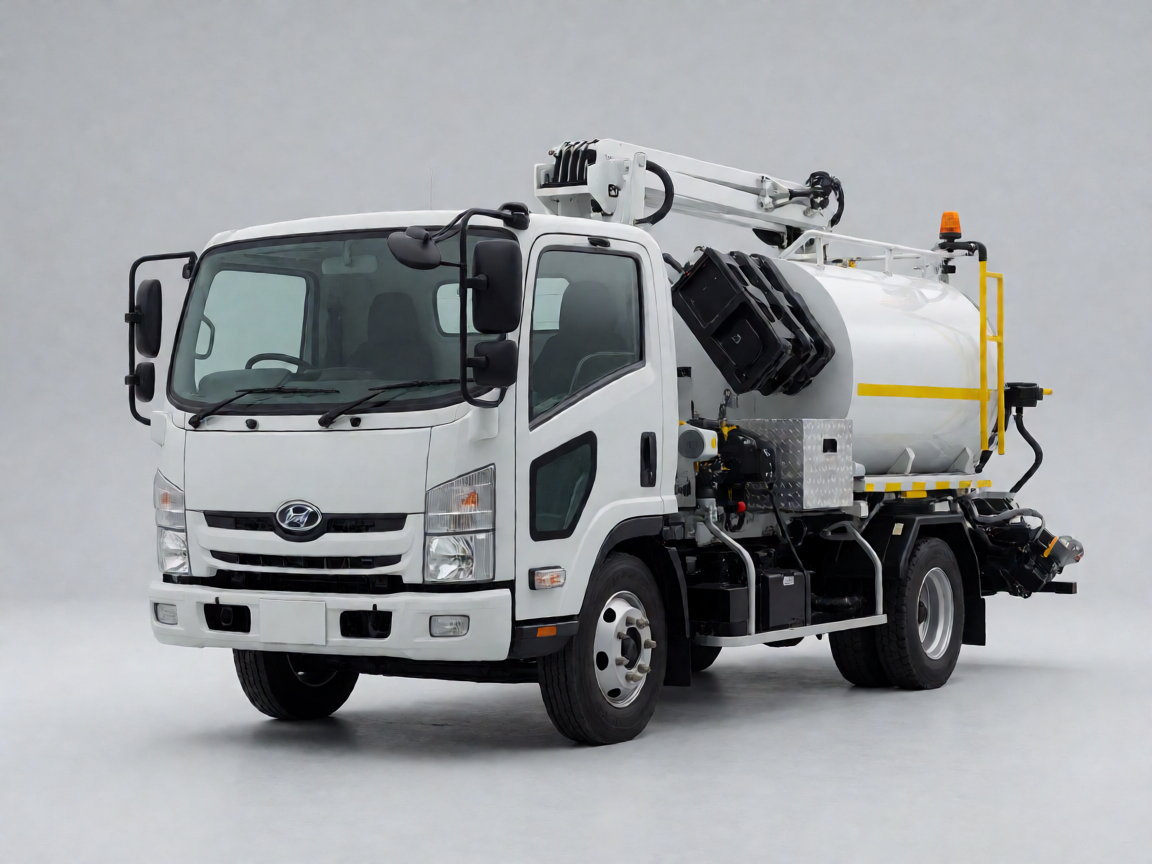
guardrail cleaning truck maintenance Safety Overview
Introduction
Guardrail cleaning truck maintenance is a critical discipline that separates reliable municipal operations from costly downtime. These specialized vehicles combine hydraulic lifting systems, high-pressure water circuits, rotary brushing mechanisms, and water tank assemblies into a single platform. When operators neglect routine service intervals, component wear accelerates and unexpected breakdowns follow. Fleet managers who invest time in systematic maintenance protocols see equipment longevity increase substantially, while roadside crew safety improves with every service cycle.
Hydraulic System Inspection
The hydraulic lifting mechanism raises and positions cleaning brushes against guardrail faces. Hydraulic cylinders, hoses, and valve assemblies endure constant pressure cycling throughout each shift. Operators should check fluid levels before every work day and inspect hoses for abrasion marks, swelling, or leakage points. In addition, directional control valves require periodic bench testing to confirm proper spool movement.
Solution: Replace hydraulic fluid every 2,000 operating hours or annually, whichever arrives first. Install filter elements during each fluid change, and flush the reservoir when contamination exceeds normal particulate thresholds.
Water Pump and Pressure System Care
High-pressure water pumps deliver the cleaning force that removes road grime, salt deposits, and accumulated debris from guardrail surfaces. Seal wear inside pump assemblies causes pressure drops that directly reduce cleaning effectiveness. Meanwhile, nozzle blocks form when mineral deposits accumulate from hard water sources.
Solution: Flush the water circuit with clean solution after each use in regions where de-icing salts dominate winter operations. Inspect pump seals quarterly, and replace worn packing elements before metal-to-metal contact develops. Schedule professional pressure testing at 1,000-hour intervals.
Rotary Brush Assembly Service
Rotating brush assemblies contact guardrail surfaces at controlled angles and speeds. Bristle wear patterns reveal operating conditions, and uneven wear indicates misalignment or excessive load pressure. Operators should measure brush diameter regularly and rotate or reverse brush sections when wear reaches half the original specification.
Solution: Inspect brush drive belts for tension loss and glazing every 500 hours. Lubricate bearing fittings on brush shaft assemblies weekly during active seasons. Replace bearings that show any rotational play or grinding noise.
Water Tank and Plumbing Integrity
Water tanks store the supply that feeds the entire cleaning system. Corrosion inside steel tanks, algae growth in fiberglass units, and sediment accumulation all reduce effective capacity and threaten pump performance. Drain valves and fill ports require attention because blockages create serious operational delays.
Solution: Drain and rinse tanks completely at the end of each operating day during heavy use periods. Apply antimicrobial treatment to standing water that remains in tanks longer than 48 hours. Inspect plumbing connections for vibration-induced loosening after every major service interval.
Electrical and Control System Checks
Modern guardrail cleaning trucks use electronic control panels, proximity sensors, and solenoid valves to coordinate brush positioning, water flow, and vehicle speed. Wiring harnesses route through areas exposed to water spray and road vibration, which accelerates connector corrosion over time.
Solution: Apply dielectric grease to all electrical connectors during monthly inspections. Test sensor alignment after any brush replacement or structural repair. Check ground strap integrity, as poor grounding causes intermittent control failures that are difficult to diagnose.
Maintenance Recommendations
Effective guardrail cleaning truck maintenance depends on consistent scheduling and thorough documentation. Fleet operators should establish daily walk-around checks that cover fluid levels, hose conditions, brush status, and electrical connections. Weekly services should include lubrication of all zerks fittings, belt inspection, and tank draining procedures. Monthly evaluations must address hydraulic fluid condition, pump performance metrics, and control system calibration.
Finally, technicians should maintain complete service records for each unit. Historical data reveals recurring problems early and supports informed decisions about parts replacement versus repair. When operators track hours, failures, and component lifespans systematically, they build the foundation for predictable maintenance planning and reduced total operating costs.
guardrail cleaning truck maintenance requires proper operation, inspection, and maintenance to reduce safety risks.


