
Understanding Vacuum Suction Pump Failure in Tanker Vehicles: Diagnosis and Prevention

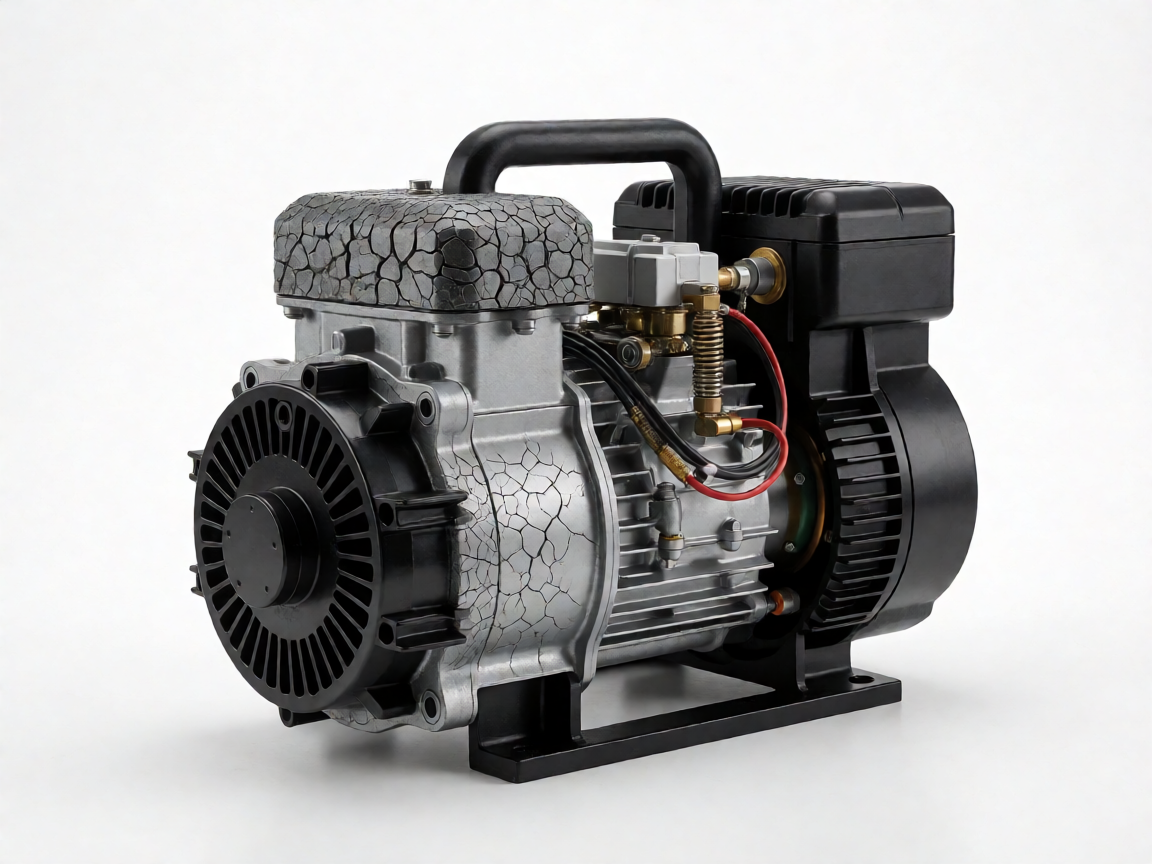
vacuum suction pump failure Safety Overview
Introduction
Vacuum suction pump failure is one of the most frequent breakdowns affecting tanker, sewage, and industrial suction vehicles in fleet operations. For maintenance engineers and fleet managers, understanding how these pumps fail helps reduce downtime and extend equipment life. Commercial suction trucks rely on a functioning vacuum pump to generate the negative pressure needed to move liquids, slurries, and granular materials through hose systems. When the pump deteriorates or breaks, the entire service becomes inoperable until repairs are completed.
Common Symptoms of vacuum suction pump failure
Before any component stops working completely, the pump usually gives warning signs that experienced technicians can identify. Recognizing these indicators early allows operators to intervene before a minor issue turns into a major breakdown.
Reduced Vacuum Pressure
The most common early sign of trouble is a measurable drop in vacuum gauge readings. Operators may notice that the pump takes significantly longer to reach the rated suction level or fails to achieve full vacuum at all. As a result, loading cycles slow down, and operators often attempt to compensate by running the pump longer. However, extended runtime only accelerates wear on already stressed components, and therefore the problem worsens over time.
Solution: Perform a calibrated vacuum test using a certified gauge. Compare the reading against the manufacturer’s specification, which typically falls between 25 and 29 inches of mercury for most commercial units. If the reading is below specification, inspect the inlet filter, check for hose leaks, and examine the pump seals before assuming internal component damage.
Unusual Noise and Vibration
A healthy vacuum suction pump operates with a steady, consistent hum. When bearings begin to degrade or internal components start to wear, the sound changes noticeably. Grinding, rattling, or high-pitched squealing indicates mechanical problems that require immediate attention. Meanwhile, excessive vibration often points to a misaligned drive coupling or a worn gear set inside the pump housing.
Solution: Conduct a visual and auditory inspection during each shift change. Listen for changes in pump tone, and use a handheld vibration meter if available. Replace worn bearings, realign the drive shaft, and tighten or replace the coupling. If the noise originates from inside the pump cavity, plan for a rebuild or complete replacement rather than attempting a temporary fix.
Fluid Leaks Around the Pump
Leakage around the pump shaft seal, inlet flange, or gasket surfaces is a clear indicator that internal pressure has exceeded the seal’s capacity. These leaks may appear as a thin film on the pump housing or as a steady drip during operation. If the leaking fluid is the material being pumped, it signals that the seal has lost its integrity and allows product to escape into the bearing chamber. Therefore, continuing to operate the pump with an active leak risks contaminating the bearing assembly and causing catastrophic failure.
Solution: Shut down the system immediately when a seal leak is detected. Drain the bearing chamber, inspect the mechanical seal faces for scoring or cracking, and replace the entire seal kit. Inspect the shaft for wear or corrosion, and address any surface damage before installing the new seal. Always use manufacturer-approved seal materials compatible with the pumped substance.
Root Causes of vacuum suction pump failure
Worn Mechanical Seals and Bearings
The mechanical seal and bearing assembly represent the most wear-intensive components inside a vacuum suction pump. During normal operation, the seal faces slide against each other under high rotational speed while maintaining a tight barrier between the vacuum chamber and the external environment. Over months or years of continuous use, these faces experience gradual material loss. In addition, bearings support the rotating shaft and absorb radial and axial loads generated by the pumping action. When either component reaches the end of its service life, clearance increases, and the pump loses its ability to maintain consistent vacuum pressure.
Solution: Implement a preventive replacement schedule based on operating hours rather than waiting for symptoms to appear. Most manufacturers specify a seal and bearing replacement interval between 2,000 and 4,000 operating hours depending on the duty cycle. Track hours using the vehicle’s engine hour meter, and replace these components as a matched set to ensure proper fit and balance.
Inlet Filter Blockage
Debris, sludge, and solid particles from the loaded material frequently enter the inlet filter. A clogged filter restricts airflow into the pump, forcing the impeller to work harder while drawing less volume. This condition creates excessive heat inside the pump cavity and places additional strain on the drive system. Consequently, the pump consumes more engine power and generates higher temperatures, which accelerates wear on seals and bearings. Fleet operators who service suction trucks in demanding environments such as construction sites or wastewater facilities experience filter blockage more frequently.
Solution: Inspect and clean the inlet filter at the start of every work shift. Use compressed air or a soft brush to remove accumulated debris without damaging the filter media. Replace the filter element whenever cleaning no longer restores proper airflow. Install a differential pressure gauge across the filter to provide a quantitative indicator of blockage severity.
Improper Material Handling
Vacuum suction pumps are engineered for specific material types and particle sizes. Introducing abrasive slurries, large solid objects, or chemically aggressive substances beyond the pump’s design rating causes rapid internal damage. For example, pumping gritty sludge without adequate filtration abrades the impeller vanes and wear plates. Similarly, corrosive chemicals can attack seal materials and cast iron housings, leading to premature failure. Operators sometimes attempt to vacuum materials that exceed the manufacturer’s specifications because the urgency of a job overshadows technical limitations.
Solution: Establish clear material handling protocols for each vehicle in the fleet. Post operational limits on the pump control panel, including maximum particle size, chemical compatibility restrictions, and temperature ranges. Train operators thoroughly, and enforce compliance through regular audits. When a job requires pumping material outside standard parameters, assign a vehicle rated for that specific application.
Drive System Misalignment
Most commercial vacuum suction pumps connect to the vehicle engine through a power take-off unit, a drive shaft, and a coupling assembly. Misalignment between these components creates uneven load distribution on the pump shaft and bearings. Over time, misalignment causes premature bearing failure, seal leakage, and excessive vibration. Additionally, improper PTO engagement sequence can shock-load the pump, damaging internal gears and impellers instantly.
Solution: Perform laser alignment checks on the drive shaft and coupling at least twice per year or after any major drivetrain service. Verify that the PTO engagement follows the manufacturer’s recommended procedure, including proper engine RPM range and clutch release timing. Replace worn U-joints and center supports in the drive shaft assembly, because flex in these components contributes to alignment drift.
Maintenance Recommendations
Preventive maintenance remains the most effective strategy for avoiding vacuum suction pump failure. A structured maintenance program reduces unexpected breakdowns, lowers repair costs, and extends the overall service life of the equipment.
- Daily inspections: Check oil level in the bearing chamber, inspect for visible leaks, listen for unusual noise, and verify vacuum gauge response during a short test cycle.
- Weekly checks: Clean or replace the inlet filter, inspect hose connections and clamps, examine the drive coupling for wear, and record operating hours.
- Monthly service: Test vacuum performance against specification, lubricate all grease fittings per the manufacturer’s schedule, and inspect the pump mounting bolts for tightness.
- Annual overhaul: Disassemble the pump and replace all wear parts including seals, bearings, wear plates, and O-rings. Inspect the impeller for erosion and balance it if necessary. Reassemble using torque values specified in the service manual.
In addition to scheduled maintenance, keep detailed service records for each vehicle. Tracking repair history, operating hours, and part replacement dates helps identify patterns and plan future interventions. Fleet managers should also compare maintenance costs across similar vehicles to detect outliers that may indicate operator error or underlying design issues.
Conclusion
Vacuum suction pump failure does not happen without warning. Operators and maintenance teams who understand the common failure modes and adopt disciplined preventive maintenance practices can significantly reduce unplanned downtime. Early detection of reduced vacuum, abnormal noise, and fluid leaks allows timely intervention before component damage becomes severe. Therefore, investing time in proper training, regular inspections, and documented maintenance schedules pays direct returns in fleet reliability and lower total cost of ownership. For commercial vehicle operators who depend on suction truck availability, proactive pump management is not optional, it is essential.


