
Aerial Lift Truck Working Principle: A Complete Technical Breakdown

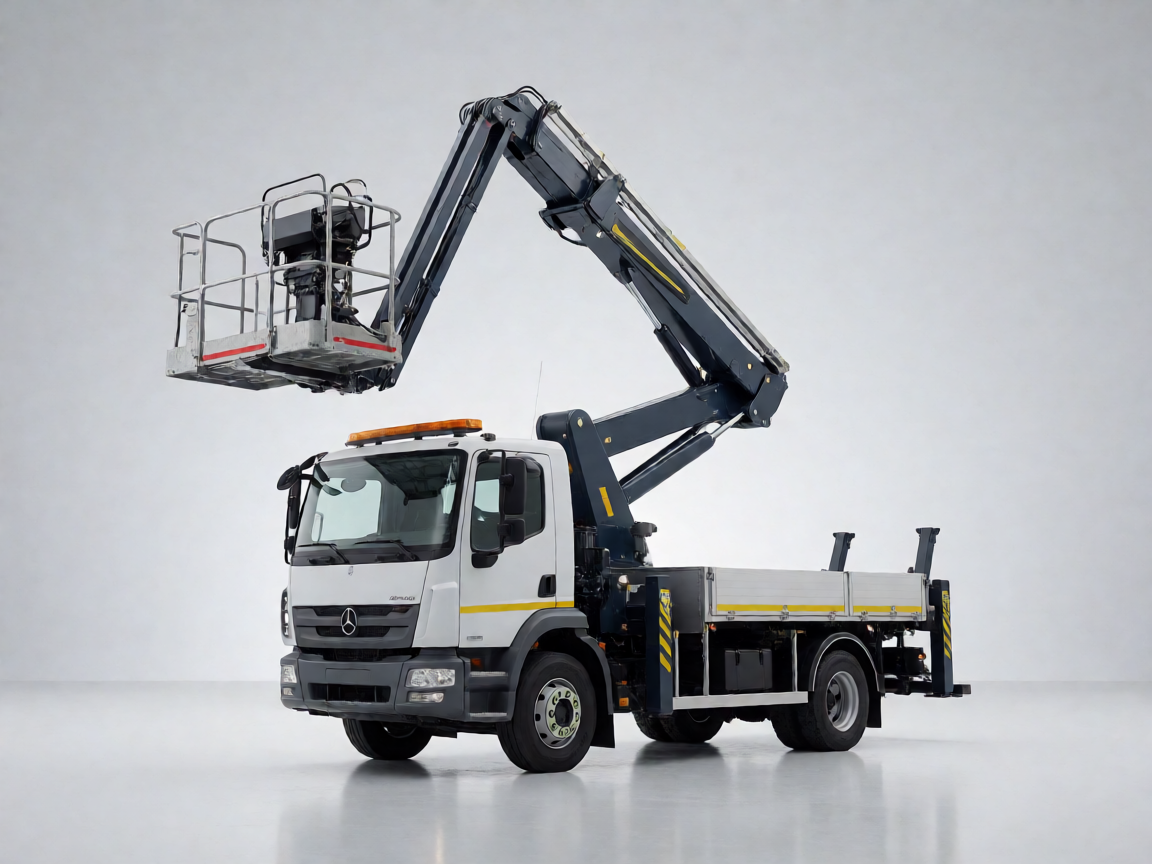
aerial lift truck working principle Safety Overview
Core Components and Basic Principles
The aerial lift truck working principle relies on three interconnected systems: hydraulic power, structural support, and electronic controls. Each system serves a specific function while operating together to raise operators and equipment safely to elevated work positions.
Manufacturers design these machines for demanding environments including electrical line maintenance, street lighting repair, and construction site operations. Understanding how each component functions helps fleet managers make informed purchasing decisions and assists maintenance engineers in troubleshooting common issues.
Hydraulic System Operation
Hydraulic power forms the foundation of every aerial lift truck. The engine drives a main pump that pressurizes fluid, and this pressurized fluid then moves through valves and hoses to reach the cylinders. Electric-hydraulic proportional valves control the speed and direction of each cylinder. Operators select movement speed through these valves, which respond to input signals and adjust flow rates accordingly.
Articulated boom lifts use multiple hydraulic cylinders arranged along the boom sections. When an operator raises the boom, the base cylinder extends first, followed by the stick cylinder. The sequence depends on valve settings and load conditions. Meanwhile, scissor lifts rely on a simpler arrangement with fewer cylinders but greater load capacity at lower heights.
Solution for hydraulic maintenance: Regular fluid analysis prevents premature seal failure and cylinder scoring. Fleet operators should test fluid viscosity every 500 operating hours and replace filters according to manufacturer intervals. Contaminated hydraulic fluid causes proportional valve sticking, which leads to jerky boom movements and reduced positional accuracy.
Structural Framework and Load Distribution
The boom structure transfers all operating loads back to the truck chassis. Engineers calculate stress points along each boom section to ensure adequate strength without excessive weight. Telescopic booms extend through nested tube sections, while articulated booms pivot at engineered hinge points. Both designs require precise manufacturing tolerances to prevent binding during full extension.
The operator platform, sometimes called the work bucket or basket, connects to the boom tip through a tilting mechanism. This mechanism maintains platform level during elevation changes. Linkage systems sense platform angle and automatically adjust boom position to counteract tilt. As a result, the work surface remains horizontal regardless of boom configuration.
Solution for structural inspection: Inspect boom pins and bushings for wear every 250 hours. Measure pin diameter with calipers and compare against specification limits. Excessive clearance between pins and bushings creates play in the boom structure, which reduces positioning precision and increases vibration during operation.
Control Systems and Safety Interlocks
Modern aerial lift trucks feature dual control stations. One station sits inside the operator platform for ground-level control, while a second station mounts on the turntable for ground-based operation. This arrangement lets operators choose the most convenient control position for each task. Electric signals travel through cables routed inside the boom structure, protecting wiring from damage and environmental exposure.
Engine management systems connect directly to the control circuit. Operators start and stop the engine from either control station. Speed settings for high and low engine RPM provide flexibility across different operating conditions. High RPM delivers maximum hydraulic flow for fast cycle times, while low RPM reduces fuel consumption during idle periods.
Solution for control system faults: Check cable connections and harness integrity during routine maintenance. Moisture ingress into connector pins causes intermittent control failures that prove difficult to diagnose. Apply dielectric grease to all electrical connections and inspect cable routing for chafing points near moving boom sections.
Tilt Compensation and Leveling Mechanisms
Automatic level compensation represents a critical safety feature in the aerial lift truck working principle. The system uses angle sensors mounted on the platform and turntable to detect inclination. When tilt exceeds preset thresholds, the control system activates corrective movements to restore horizontal position.
Some models incorporate outrigger systems that extend from the chassis to stabilize the vehicle before elevation begins. Outriggers transfer weight directly to the ground, reducing tilt risk on uneven surfaces. Others rely on wide wheelbase design and electronic stability monitoring that prevents boom operation when the vehicle sits beyond safe tilt limits.
Solution for leveling issues: Calibrate angle sensors annually or after any impact to the work platform. Sensor drift causes incorrect leveling compensation, which may allow the platform to tilt beyond safe operating angles without triggering alarms. Use a precision spirit level to verify sensor readings against actual platform angle.
Emergency Lowering Procedures
All aerial lift trucks include an emergency lowering system that operates independently from the main hydraulic pump. If the engine fails or the main pump malfunctions, operators activate the emergency valve to drain hydraulic fluid from the lift cylinders back to the reservoir. Gravity then lowers the boom and platform in a controlled descent.
The emergency system typically requires manual pump activation using a hand lever or electric motor backup. This design ensures operators can always return to ground level even during complete power failure. Safety interlocks prevent accidental activation while the normal control system remains functional.
Maintenance Recommendations
Regular preventive maintenance extends equipment life and reduces unexpected downtime. Fleet operators should establish service schedules based on operating hours rather than calendar intervals. Hour-based scheduling reflects actual wear patterns more accurately than monthly or annual reviews.
- Inspect all hydraulic hoses for cracking, bulging, or abrasion marks every 250 hours
- Lubricate boom pivot points and pin connections according to the manufacturer grease schedule
- Test all safety functions including tilt alarms, emergency lowering, and interlock systems monthly
- Check tire condition and wheel nut torque on self-propelled models before each use
- Monitor hydraulic fluid temperature during extended operation and allow cooling periods between heavy cycles
Solution for unexpected breakdowns: Maintain spare parts inventory for high-wear components including seal kits, proportional valves, and angle sensors. Stocking these items reduces downtime during repairs and eliminates wait times for part deliveries.
Operational Best Practices
Operators should perform pre-shift inspections covering fluid levels, hose condition, control responsiveness, and safety device functionality. Any abnormal condition found during inspection requires immediate reporting before equipment enters service. Documenting inspection results creates a maintenance record that supports predictive servicing and warranty claims.
Proper load management affects both performance and safety. Distribute tools and materials evenly within the platform to avoid eccentric loading. Exceeding rated platform capacity places unnecessary stress on hydraulic components and may trigger overload protection systems that shut down boom functions.
The aerial lift truck working principle combines mechanical design, hydraulic engineering, and electronic control into a reliable work platform. Understanding these systems helps commercial vehicle buyers select appropriate equipment for their applications and enables maintenance teams to keep fleets operating at peak efficiency.


