
Special Purpose Truck Manufacturer: Engineering Heavy-Duty Commercial Vehicles

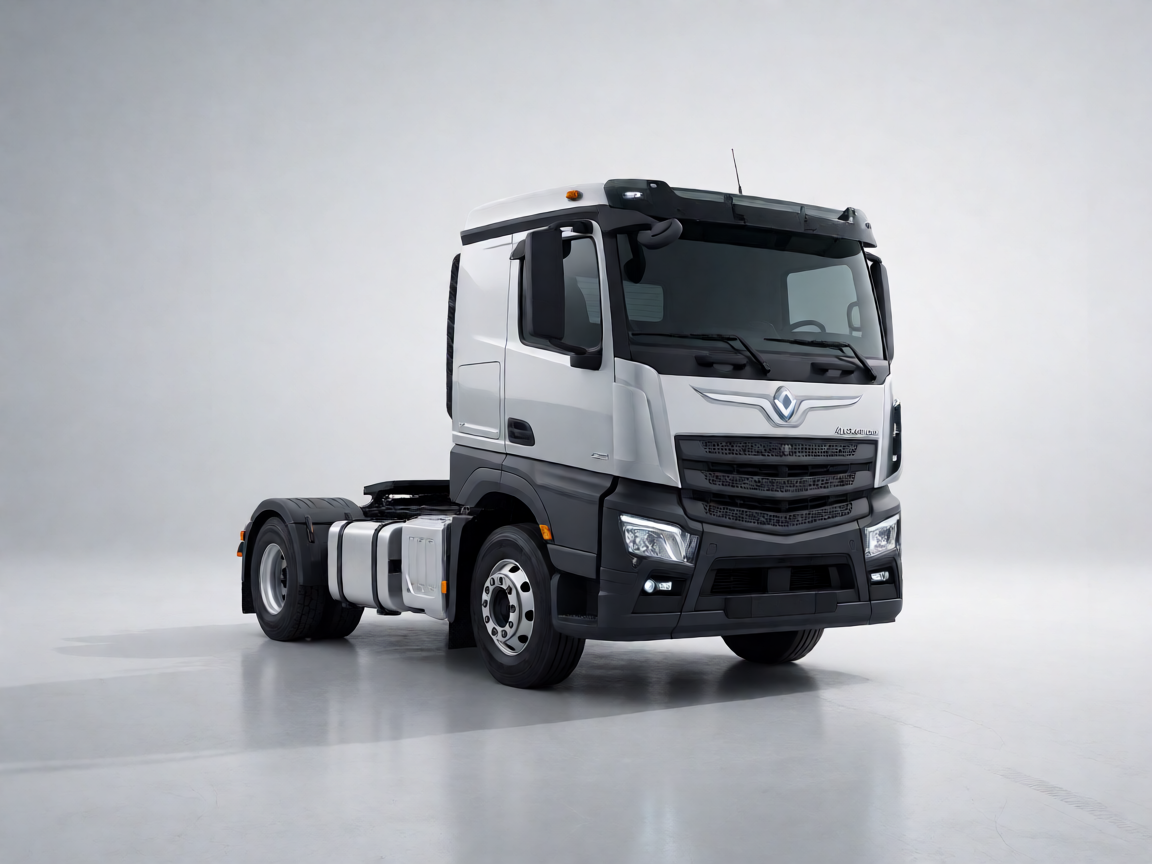
special purpose truck manufacturer Safety Overview
A special purpose truck manufacturer builds vehicles engineered for specific industrial and commercial tasks. These machines go beyond standard cargo transport. They carry tankers, mixer drums, cranes, refuse bodies, and specialized equipment. Understanding how these vehicles are built helps buyers, dealers, fleet operators, and maintenance engineers make better decisions.
Core Manufacturing Capabilities
Chassis Selection and Modification
The foundation of every special purpose truck begins with a suitable chassis. Engineers select between light, medium, or heavy-duty frames depending on the intended application. For example, a municipal sweeper requires a different frame than a concrete mixer. Meanwhile, chassis modifications include reinforced leaf springs, upgraded transmissions, and additional hydraulic ports. As a result, the base vehicle supports the specialized body without structural compromise.
Solution: Evaluate the gross vehicle weight rating before selecting a chassis. Ensure the manufacturer offers chassis customization options rather than only using standard off-the-shelf frames.
Body Fabrication Standards
Body fabrication involves steel cutting, welding, bending, and assembly. A quality special purpose truck manufacturer uses CNC cutting machines for precision. Subsequently, robotic or skilled manual welding ensures joint integrity. High-strength steel grades such as Q345 or S355 are common in tanker and mixer bodies. In addition, corrosion protection through sandblasting and epoxy primer application extends service life significantly.
Solution: Request material certificates and welding inspection reports. Verify that surface preparation meets Sa 2.5 standards before paint application.
Common Vehicle Types and Applications
Tanker Trucks
Tanker trucks transport liquids including fuel, chemicals, water, and food-grade products. The internal baffle plates prevent liquid surge during transit. A special purpose truck manufacturer designs these compartments with certified pressure ratings. Furthermore, heating coils inside fuel tankers maintain viscosity in cold climates. Meanwhile, stainless steel linings remain essential for chemical and food transport due to contamination prevention.
Solution: Confirm whether the tank carries relevant certifications such as ASME, CE, or GB standards depending on your region. Inspect baffle placement and emergency shut-off valve accessibility.
Concrete Mixer Trucks
Concrete mixer trucks combine and transport ready-mix concrete. The drum rotates at varying speeds to maintain mixture consistency. A reliable special purpose truck manufacturer engineers the drum with wear-resistant liners and optimized blade geometry. Hydraulic drive systems power the rotation, and the discharge chute requires smooth operation under load conditions.
Solution: Check drum rotational speed range and hydraulic pump capacity. Higher RPM ranges provide better mixing efficiency on long transit routes.
Refuse and Waste Collection Trucks
Refuse collection vehicles operate under demanding daily cycles. Side loaders, rear loaders, and compactor bodies each serve different urban environments. Hydraulic compaction mechanisms generate significant force to reduce waste volume. Therefore, cycle durability testing becomes critical. A professional manufacturer subjects these systems to repeated load cycles before delivery.
Solution: Review the compaction force rating and cycle count specification. Verify that hydraulic hoses have protective routing to prevent premature wear from debris contact.
Flatbed and Lowboy Trailers
Flatbed and lowboy trailers transport oversized construction equipment and machinery. Gooseneck designs lower the deck height for improved stability. A special purpose truck manufacturer constructs these trailers with I-beam frames and cross-members spaced for even load distribution. Removable gooseneck sections allow further height reduction when needed.
Solution: Inspect axle rating and suspension type. Air suspension provides better cargo protection while leaf springs offer simpler maintenance.
Quality Control and Testing Procedures
Structural Integrity Testing
Quality control begins at the raw material stage. Manufacturers perform tensile strength tests on steel plates before fabrication. During assembly, weld penetration checks ensure full fusion at critical joints. Finally, hydrostatic pressure tests validate tank integrity. A rigorous special purpose truck manufacturer maintains documentation for each test performed.
Solution: Request non-destructive testing records for pressure vessels and structural welds. These documents demonstrate manufacturing accountability.
Road and Performance Testing
Completed vehicles undergo road evaluation before shipment. Brake performance, steering response, and hydraulic function all receive verification. Additionally, vibration testing on body mounts identifies potential fatigue points early. As a result, field failures decrease substantially for vehicles that pass comprehensive testing protocols.
Solution: Arrange a pre-delivery inspection run. Test all hydraulic functions, braking systems, and lighting circuits under operating conditions.
Maintenance and Service Recommendations
Proper maintenance extends the operational lifespan of special purpose trucks considerably. Fleet operators should implement scheduled service intervals for hydraulic systems, wear parts, and structural inspections.
Hydraulic System Care
Hydraulic fluid degradation causes most system failures. Operators should change filters at recommended intervals and monitor fluid contamination levels. In addition, hose inspection for cracks, bulging, or abrasion prevents catastrophic leaks. Finally, cylinder rod polishing removes minor scoring before seal damage occurs.
Solution: Maintain an oil analysis program. Sample hydraulic fluid quarterly to detect Wear metal particles and contamination trends early.
Body and Structural Inspection
Annual structural inspections identify crack initiation points at high-stress areas. Mounting brackets, baffle connections, and hinge points receive particular attention. Meanwhile, paint damage exposes underlying steel to corrosion. Repairing chips and scratches promptly prevents progressive deterioration.
Solution: Conduct visual inspections after every major job cycle. Document any observed damage and address it before structural integrity weakens further.
Tire and Braking System Upkeep
Special purpose trucks carry heavy loads and operate at low speeds frequently. Tire selection must match the duty cycle. Similarly, brake lining wear progresses faster on mixers and refuse trucks due to stop-and-go operation. Therefore, monitoring brake adjustment status and air system integrity remains essential for safe operation.
Solution: Replace tires based on tread wear indicators rather than calendar age alone. Inspect air brake chambers and slack adjusters monthly during heavy-use periods.
Choosing the Right Manufacturer
Selecting a qualified special purpose truck manufacturer requires careful evaluation. Buyers should examine production capacity, certification portfolio, and after-sales support structure. A manufacturer with in-house engineering teams offers greater customization flexibility than those relying solely on imported body kits. Furthermore, local parts availability reduces downtime significantly for fleet operators.
Established manufacturers typically hold ISO 9001 certification and comply with regional vehicle type approval regulations. Dealers benefit from manufacturers who provide comprehensive technical documentation and operator training programs. In addition, warranty terms and spare parts pricing transparency influence total cost of ownership calculations considerably.
Ultimately, a well-built special purpose truck delivers reliable performance across its service life. Proper chassis selection, quality fabrication, thorough testing, and disciplined maintenance combine to maximize uptime and minimize operating costs.


