
Telescopic Boom Aerial Work Platforms: A Complete Engineering Guide

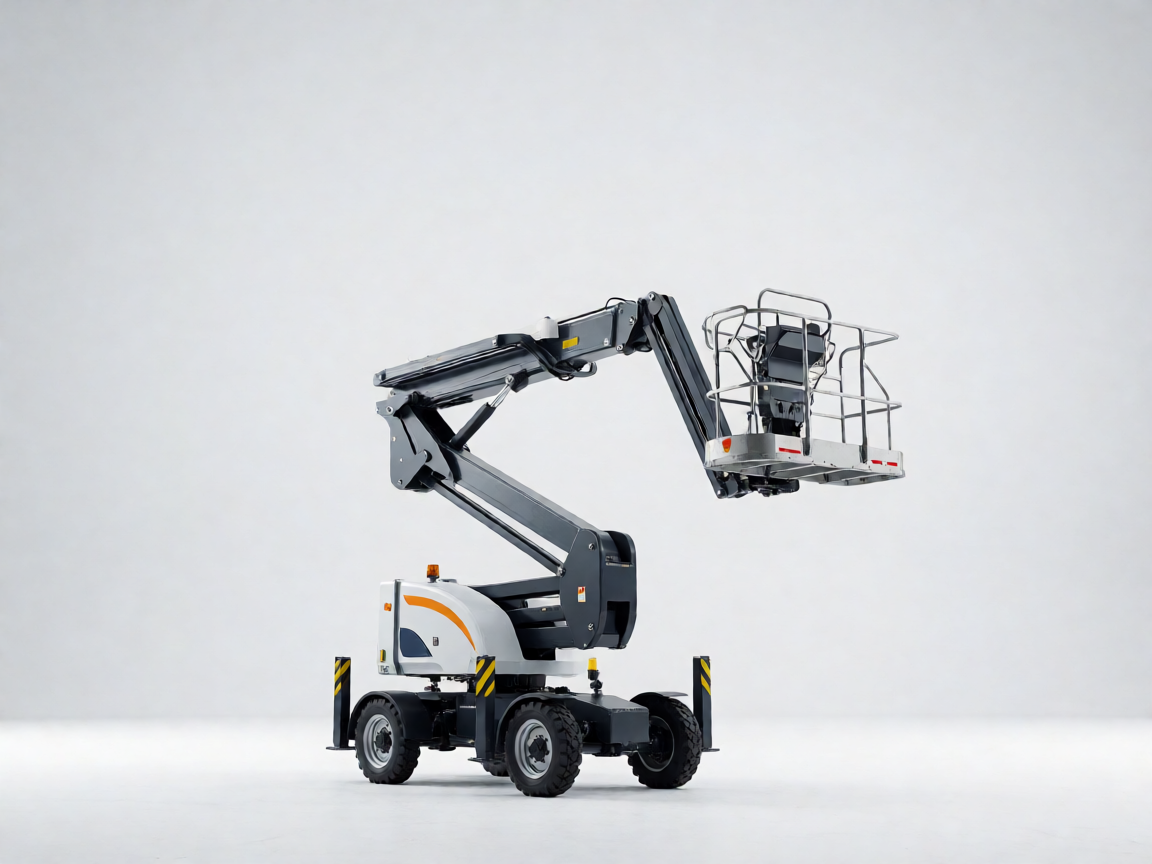
telescopic boom aerial work platforms Safety Overview
Telescopic boom aerial work platforms are essential pieces of equipment for any commercial fleet that requires elevated access. These machines serve a wide range of industries, from street lighting maintenance to telecommunications infrastructure. Operators depend on them daily, which means understanding their design, application scope, and maintenance requirements matters more than ever. Manufacturers continue to improve these platforms, pushing toward lighter structures and smarter control systems.
Technical Specifications of Telescopic Boom Aerial Work Platforms
Modern telescopic boom aerial work platforms combine hydraulic engineering with precision mechanical design. A typical 16-meter model features a three-section chain-type telescopic boom structure. Engineers synchronize all sections so the boom extends and retracts as a single unit. As a result, the structure remains compact while delivering extended reach.
The upper work platform provides approximately 90 degrees of lateral swing on each side. Maximum load capacity typically reaches 200 kg, which accommodates two workers plus their tools and equipment. Meanwhile, the entire boom assembly achieves 360-degree rotation around the vertical axis. Therefore, operators can position the basket precisely without repositioning the vehicle.
Hydraulic proportional control systems regulate every movement. These systems allow infinitely variable speed control, meaning operators adjust motion smoothness to match working conditions. A high-resolution digital display shows real-time boom extension length, lift angle, and other critical parameters. In addition, automated operation modes reduce operator fatigue during prolonged work sessions.
Common Applications for Telescopic Boom Aerial Work Platforms
Telescopic boom aerial work platforms appear across numerous commercial sectors. Municipal crews use them for street light repair and road sign installation. Landscaping companies rely on these machines for tree trimming and garden maintenance at height. Television and film production teams position camera operators at elevation using the same equipment.
Telecommunications companies install and maintain antenna systems with these platforms. Airport maintenance crews service navigation lights and signage. Construction contractors use them for facade work and building decoration. Advertising companies mount and repair outdoor signage at considerable heights.
These applications share one common requirement: safe, precise positioning at elevation. Telescopic boom aerial work platforms deliver both. The combination of extended reach, fine speed control, and stable basket positioning makes them suitable for delicate tasks. For example, a technician repairing fiber optic cables needs smooth movement and stable positioning more than raw power. Similarly, a window cleaner on a commercial building requires consistent basket stability throughout the shift.
Maintenance Best Practices
Reliable maintenance keeps telescopic boom aerial work platforms operating safely and efficiently. Fleet managers should follow a structured maintenance schedule based on manufacturer recommendations and operating hours.
Hydraulic System Care
The hydraulic system represents the heart of every telescopic boom aerial work platform. Operators must monitor fluid levels regularly and check for leaks at every service interval. Hydraulic fluid degrades over time, especially under heavy use. Therefore, schedule fluid changes according to the manufacturer’s specified intervals. In addition, replace hydraulic filters during each fluid change. Contaminated fluid causes valve sticking, cylinder leakage, and pump wear. As a result, contaminated fluid reduces response speed and increases component failure risk.
Inspect all hydraulic hoses for cracking, bulging, or abrasion. High-pressure lines carry significant force, and a failing hose can cause sudden boom movement or complete system loss. Replace worn hoses immediately rather than postponing the repair.
Chain and Cable Inspection
The three-section telescopic boom relies on chains or cables for synchronized extension. Inspect these components monthly for wear, elongation, or damaged links. Lubricate chains according to the manufacturer’s specifications. Over-lubrication attracts dirt and accelerates wear, while under-lubrication causes premature chain failure. Find the balance by following the recommended lubrication schedule.
Check tension equalization on all sections. Uneven tension causes binding and uneven extension, which puts excessive stress on the boom structure. Adjust tensioning mechanisms as needed.
Structural Integrity Checks
Inspect the boom structure for cracks, deformation, or corrosion at every service interval. Pay special attention to weld points and pivot connections. These areas experience the highest stress concentrations. Use dye penetrant inspection on critical welds periodically. Meanwhile, measure boom straightness against manufacturer specifications. Bent booms affect extension performance and create safety hazards.
Control System Maintenance
Digital displays and sensors require periodic calibration. Verify that the extension length and angle readings match actual measurements. Incorrect readings can mislead operators into unsafe positioning. Test all control functions from both the ground station and the basket control panel. Emergency descent systems must function reliably at all times. These systems provide a critical safety backup if the primary hydraulic or electrical system fails.
Electrical connections should be cleaned and tightened during scheduled maintenance. Vibration from vehicle travel and boom operation loosens connectors over time. Loose connections cause intermittent faults that are difficult to diagnose. As a result, regular connector inspection prevents unexpected system failures.Emergency and Safety Systems
Telescopic boom aerial work platforms include multiple safety features. Overload protection systems prevent the basket from exceeding rated capacity. Tilt sensors stop boom operation if the vehicle rests on uneven ground. Emergency stop buttons must be accessible from both control stations. Test all safety systems monthly and document the results.
Operator training remains essential for safe equipment use. Certified operators understand load limits, stability principles, and emergency procedures. New operators should complete hands-on training before using the equipment independently. Meanwhile, experienced operators benefit from refresher training every 12 months.
Design Trends and Future Developments
Manufacturers continue developing telescopic boom aerial work platforms in two key directions: intelligence and weight reduction. Smart control systems integrate sensors, cameras, and data logging to improve operational safety. Remote diagnostics allow fleet managers to monitor equipment health without visiting the job site. Meanwhile, advanced materials such as high-strength steel and aluminum alloys reduce boom weight. Lighter booms improve vehicle stability and increase payload capacity.
The market demand for platforms under 30 meters remains strong. Manufacturers respond by expanding their product ranges and improving performance characteristics. New structural designs and optimized hydraulic circuits deliver better efficiency and longer service intervals.
Procurement Considerations for Fleet Buyers
Buying telescopic boom aerial work platforms requires careful evaluation of multiple factors. Work height, reach distance, and load capacity determine suitability for your specific applications. Consider whether a telescopic boom or articulating boom better serves your operational needs. Telescopic booms offer greater horizontal reach, while articulating booms provide better obstacle clearance. Therefore, match the machine type to your primary use case.
After-sales support availability matters significantly. Parts availability, service network coverage, and response time affect equipment uptime. Choose manufacturers with established service networks in your operating region. In addition, evaluate total cost of ownership rather than purchase price alone. Fuel efficiency, maintenance costs, and resale value all contribute to the true economic picture.
Finally, prioritize equipment that offers comprehensive operator training and detailed maintenance documentation. Well-documented equipment simplifies fleet management and reduces downtime caused by improper servicing. Telescopic boom aerial work platforms represent a significant capital investment. Proper selection, operation, and maintenance ensure maximum return throughout the equipment’s service life.


