
CSC5437TQZZDZ 50-Ton Rotary Crane Wrecker: Engineering Design and Practical Highway Recovery

rotary crane wrecker specs Safety Overview
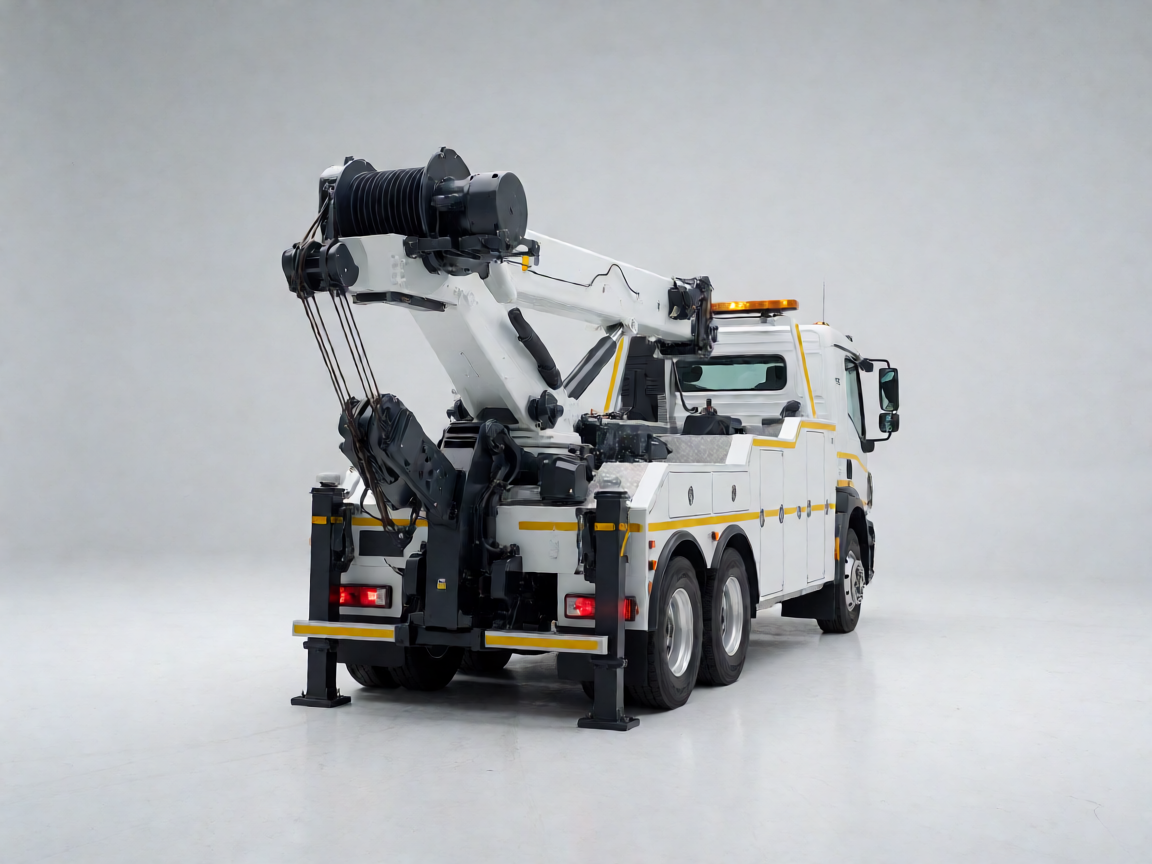
The CSC5437TQZZDZ 50-ton rotary crane wrecker delivers practical performance for highway recovery operations. Engineers at Chusheng completed the design development in 35 days and delivered the unit to a domestic customer. Understanding rotary crane wrecker specs matters when buyers evaluate recovery capability for overloaded commercial vehicles.
Design Philosophy and Production Timeline
Engineers designed the rotary crane wrecker to address a specific problem: removing disabled and accident-involved vehicles from highways quickly, without secondary damage. The development cycle took 35 days from initial design through trial production and validation. Meanwhile, the production team manufactured the unit with the specified components.
Highway recovery operators face a particular challenge with overloaded commercial vehicles. These vehicles cannot be unloaded on the highway. Therefore, recovery teams need equipment with high lifting capacity and fast deployment. In addition, the equipment must not cause secondary damage to the disabled vehicle.
Key Specifications
Engineers designed the main crane arm with a maximum lifting height of 12.3 meters. The working radius reaches 10.71 meters. The telescopic stroke spans 6 meters. The crane arm supports 360-degree continuous rotation. In addition, the unit features a 28-ton lifting capacity on the support platform.
The following specifications matter for recovery operations. The max lifting height determines the overhead cable removal capability. The working radius defines the operational envelope. Meanwhile, the telescopic stroke controls the boom extension range.
H-Type Front Support Technology
Engineers developed the underground H-type front support technology for heavy rotary crane wrecker front outrigger legs. International competitors are in a similar product development phase. However, our team completed this design earlier.
Engineers designed the outrigger leg to reduce weight by approximately 20 percent compared to conventional structures. In addition, the design allows the overall vehicle height to decrease by 10 percent. Meanwhile, the longitudinal span between front and rear outrigger legs reduced by one-third. The front outrigger leg transverse span increased by 20 percent.
The following results matter for operational effectiveness. Engineers designed the outrigger system to increase the overall lifting capacity by approximately 15 percent. Finally, this technology now applies across a broad range of rotary crane wrecker models.
Highway Recovery Applications
Recovery operators use this unit to remove disabled and accident-involved vehicles from highways quickly. The 360-degree rotation and 12.3-meter reach enable overhead cable vehicle recovery. In addition, the 28-ton capacity handles most commercial vehicle recovery scenarios.
Highway recovery teams face a particular problem with overloaded commercial vehicles. These vehicles require fast removal because they cannot be unloaded on the highway. Therefore, recovery operators need equipment with high capacity and fast deployment.
Engineers designed the unit to solve this problem. The rotary crane wrecker specs include the lifting height, working radius, and capacity. Meanwhile, the H-type support technology reduces the overall weight and height.
Maintenance Recommendations
Engineers recommend checking the outrigger legs before each operation. In addition, operators should inspect the crane arm joints. Meanwhile, maintenance teams should check the hydraulic system regularly.
Dealers and importers recommend checking the outrigger system before each operation. Fleet operators should inspect the crane arm before each use. Meanwhile, maintenance engineers should check the hydraulic system at scheduled intervals.
rotary crane wrecker specs requires proper operation, inspection, and maintenance to reduce safety risks.


