
Commercial Vehicle Export: Strategic Partnerships for Global Infrastructure

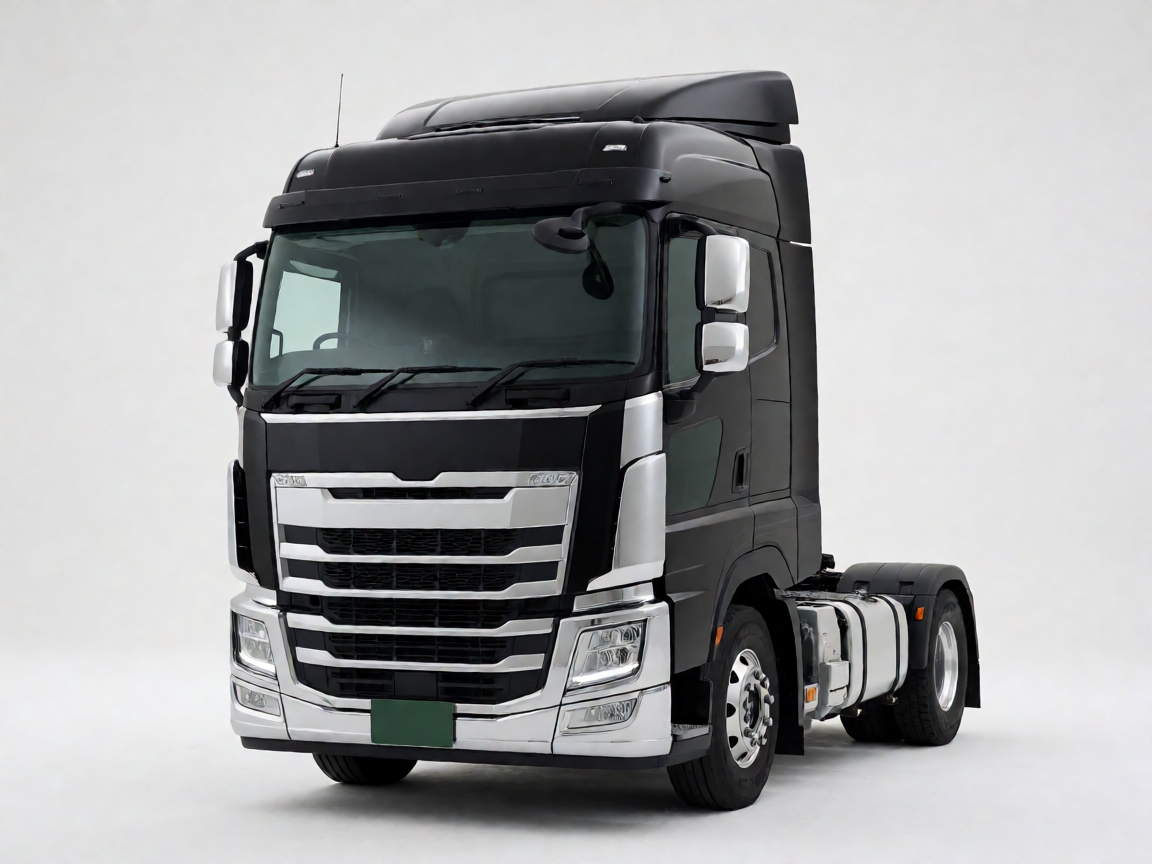
commercial vehicle export Safety Overview
Commercial vehicle export represents a critical pathway for manufacturers entering international markets, particularly in regions where infrastructure development demands reliable heavy-duty transportation solutions. When Chinese commercial vehicle manufacturers like Foton and Hubei Chusheng partnered with state-owned construction enterprises for bulk orders to Georgia, they demonstrated how strategic alliances can streamline the export process and deliver vehicles tailored to demanding operational environments.
The Commercial Vehicle Export Framework
Exporting commercial vehicles requires coordination across multiple disciplines, from engineering specifications to logistics planning. Manufacturers must align vehicle configurations with regional requirements, including road conditions, climate extremes, and regulatory standards. Meanwhile, importers and fleet operators need vehicles that withstand continuous operation under challenging circumstances.
In the case of the Georgia project, Foton and Chusheng combined their respective strengths—Foton providing the chassis and powertrain platforms and Chusheng supplying specialized body modifications for dump trucks, concrete mixers, and water tankers. Therefore, the final products met both the technical expectations of China Construction Group and the operational realities of mountainous terrain in the Caucasus region.
Strategic Partnership Models
Successful commercial vehicle export depends heavily on the partnership structure between manufacturers and end-user organizations. State-owned construction enterprises operating overseas carry specific requirements that generic export channels often cannot satisfy.
Direct Manufacturer-Contractor Alignment
When manufacturers engage directly with construction companies, they gain valuable insight into real-world operational conditions. For example, knowing that a fleet will operate at altitude, in freezing temperatures, and on unpaved roads allows engineers to adjust cooling systems, battery capacity, and suspension tuning before production begins.
Solution: Manufacturers should establish dedicated technical liaison teams that work alongside contractor engineering departments during the pre-order phase. This ensures specifications match actual field requirements rather than generic export templates.
Co-developed Specialized Configurations
The Georgia delivery included dump trucks, concrete mixer trucks, and water sprinkler trucks—each configured for specific construction site functions. Meanwhile, the cooperation model between Foton and Chusheng allowed each company to focus on its core competency: chassis engineering and body manufacturing, respectively.
Solution: Importers and fleet operators should evaluate whether manufacturer partnerships provide integrated solutions or require fragmented procurement from multiple suppliers. A single coordinated platform reduces compatibility risks and simplifies warranty service.
Technical Specifications for Export Markets
Export-oriented commercial vehicles require engineering adjustments that domestic-market models often do not address. The following parameters demand careful consideration during the specification phase.
Powertrain Durability
Engine and transmission packages for export must handle sustained high-load operation, limited-service intervals, and fuel quality variations common in developing infrastructure markets. Foton’s partnership approach allowed them to validate powertrain performance across the full operating envelope before committing to bulk production.
Solution: Fleet operators should request documented proof of powertrain endurance testing under conditions that replicate the target market. Generic certification alone does not guarantee real-world reliability.
Chassis and Suspension Tuning
Road conditions in many export destinations differ significantly from those in the manufacturer’s home market. Heavier axle ratings, reinforced leaf springs, and upgraded shock absorbers become necessary when vehicles regularly traverse unpaved or poorly maintained routes.
Solution: Engineers should evaluate suspension load ratings against the maximum payload expected in the target market, not just the manufacturer’s standard rating. Overloading a suspension system designed for lighter duty significantly reduces component lifespan.
Body Configuration and Corrosion Protection
Specialized bodies—whether for dumping, mixing, or liquid transport—require material selections that resist corrosion, abrasion, and structural fatigue. In addition, welding procedures and coating systems must meet the humidity and temperature conditions of the deployment region.
Solution: Verify that body manufacturers apply corrosion protection treatments appropriate for the export environment. Coastal or high-humidity regions demand more aggressive anti-corrosion measures than arid climates.
Logistics and Delivery Considerations
Export logistics involve more than loading vehicles onto container ships or roll-on/roll-off vessels. Transportation method selection affects vehicle condition upon arrival and influences the cost structure for importers.
Road vs. Sea Transport
For landlocked destinations or regions with established overland corridors, multi-modal transport combining sea and road segments may reduce delivery time compared to pure maritime routes. However, each additional handling point introduces risk of minor damage or part displacement.
Solution: Fleet operators should plan for protective wrapping and securing of vulnerable components—mirrors, light assemblies, and protruding body parts—regardless of transport method chosen.
Pre-Delivery Inspection Protocols
A systematic inspection process upon vehicle arrival prevents operational delays caused by shipping damage. Checking fluid levels, tire pressures, battery charge status, and fastener torque on critical suspension and body mounts should be standard procedure before placing vehicles into service.
Solution: Importers should develop a checklist adapted to their specific vehicle configurations and enforce completion before accepting delivery from shipping agents.
Maintenance Readiness for Export Fleets
One of the most overlooked aspects of commercial vehicle export is after-sales support infrastructure. Vehicles performing in remote construction sites depend on available spare parts and trained technicians for continued operation.
Spare Parts Planning
Export fleet managers should calculate consumable parts requirements based on projected maintenance intervals and order buffer stock before the vehicles depart the manufacturing facility. Waiting for parts shipments from the home country can immobilize entire fleets during critical project phases.
Solution: Establish a regional parts distribution agreement with the manufacturer or an authorized distributor. Maintaining a minimum parts inventory at the operating base reduces downtime from weeks to days.
Technician Training Programs
Specialized body configurations and imported powertrain components require maintenance procedures that may differ from domestic-market training materials. Meanwhile, local technicians unfamiliar with specific engine management systems may struggle with diagnostic procedures.
Solution: Request manufacturer-supported training sessions for local maintenance staff before vehicle delivery. Even a two-week intensive program significantly improves first-time repair accuracy and reduces repeat service visits.
The Role of Government Policy in Export Facilitation
Initiatives such as China’s Belt and Road framework have created structured pathways for commercial vehicle manufacturers to participate in large-scale international infrastructure projects. These policy environments reduce bureaucratic friction and provide construction enterprises with the confidence to commit to long-term vehicle supply agreements.
As a result, manufacturers benefit from predictable order volumes that justify production line adjustments and specialized tooling investments. Importers benefit from supply chain stability that domestic procurement channels in volatile markets cannot always guarantee.
Key Takeaways for Stakeholders
Commercial vehicle export success depends on alignment between manufacturer capabilities, contractor requirements, and logistical reality. Fleet operators and dealers should evaluate partners based on technical integration depth rather than price alone. Manufacturers pursuing export markets should invest in understanding the operational conditions their vehicles will face.
Finally, the Georgia delivery between Foton, Chusheng, and China Construction illustrates that strong export relationships are built on mutual technical commitment, not merely transactional ordering. Stakeholders who prioritize specification accuracy, support infrastructure, and long-term partnership development will find commercial vehicle export delivering measurable value across their operational lifecycles.


