
Sprinkler Truck Water Pump Systems: Complete Technical Guide for Maintenance and Operation

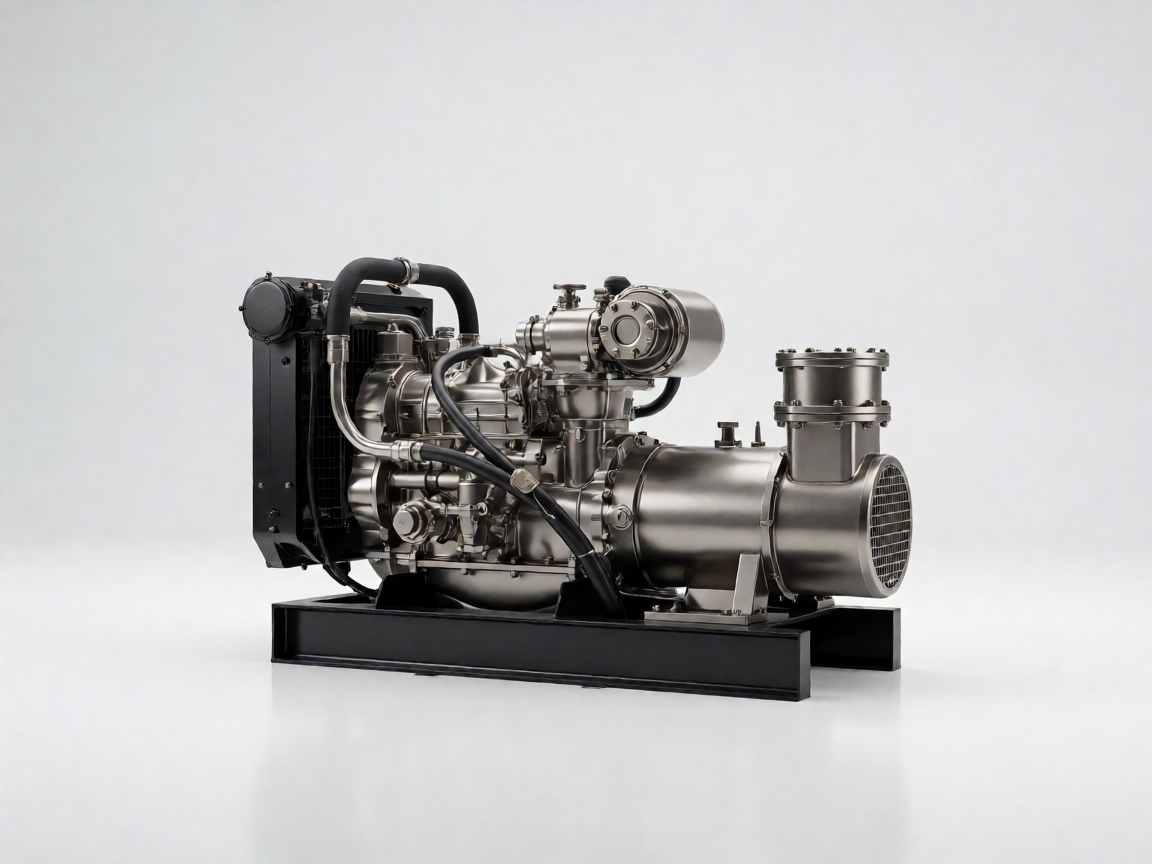
sprinkler truck water pump Safety Overview
Understanding Sprinkler Truck Water Pump Fundamentals
The sprinkler truck water pump serves as the central component in any municipal spraying vehicle. It transfers water from the onboard tank through a network of valves and nozzles to perform road cleaning, dust suppression, and landscape irrigation tasks. Engineers design these pumps to handle continuous operation under demanding conditions, and their performance directly determines the overall efficiency of the sprinkler truck.
Modern sprinkler truck water pumps typically operate as self-priming centrifugal pumps. The pump draws power directly from the vehicle’s engine through a power take-off (PTO) unit mounted on the transmission output shaft. When the operator engages the PTO, the engine transfers rotational energy through the pump shaft, creating the centrifugal force needed to move water at high flow rates.
Fleet managers must understand that proper pump selection depends on several factors, including tank capacity, desired flow rate, operating pressure requirements, and the specific duties the vehicle will perform. A well-maintained pump delivers consistent water distribution across front冲洗, rear洒, and side喷 configurations simultaneously without pressure loss.
Common Sprinkler Truck Water Pump Failure Modes
Cavitation Damage
Cavitation remains one of the most destructive failure modes affecting the sprinkler truck water pump. It occurs when the pump operates with insufficient inlet pressure, causing water to vaporize inside the impeller chamber. The resulting vapor bubbles collapse violently against the impeller surface, creating microscopic craters that progressively degrade the metal.
Operators often trigger cavitation by running the pump with the tank nearly empty, using clogged inlet strainers, or selecting suction lifts that exceed the pump’s rated capability. The characteristic sound resembles gravel circulating through the pump housing, and operators should shut down the system immediately upon hearing this noise.
Solution: Maintain adequate water levels in the tank before engaging the pump. Install and regularly inspect inlet strainers to prevent debris blockage. Ensure all suction piping connections remain sealed to prevent air ingestion. For example, replace cracked flexible coupling sections that allow air to enter the system.
Mechanical Seal Failure
The mechanical seal prevents water from leaking along the pump shaft where it exits the pump housing. This critical component faces constant abrasion from airborne dust, road debris, and mineral deposits carried through the water system. In addition, thermal cycling from repeated start-stop operations accelerates seal degradation over time.
When the mechanical seal begins to fail, operators typically notice water dripping from the pump shaft area or a steady stream of leaking water beneath the vehicle during operation. Left unaddressed, seal failure allows contaminated water to reach the pump bearings, causing rapid bearing deterioration and complete pump seizure.
Solution: Replace mechanical seals at recommended service intervals rather than waiting for visible leakage. Use seal kits specified by the pump manufacturer, as generic replacements may not match the original material specifications. Furthermore, flush the seal chamber with clean water after each day’s operation to remove abrasive particles that accelerate wear.
Impeller Erosion and Corrosion
The impeller spins at high rotational speeds inside the pump volute, and its vanes continuously interact with water containing suspended particulate matter. Sand, soil, and construction debris suspended in municipal water supplies gradually erode the impeller surfaces, reducing pumping efficiency and flow capacity.
Corrosion presents another serious threat, particularly when the sprinkler truck water pump handles treated water containing chlorine or other chemical additives used in municipal water systems. Over time, corrosive agents attack the cast iron or stainless steel impeller material, thinning the vane structure and creating imbalance conditions.
Solution: Inspect the impeller during routine maintenance intervals for signs of erosion, pitting, or material thinning. Consider upgrading to a stainless steel impeller when operating in corrosive water environments. In addition, install filtration units at the water intake point to reduce the abrasive load on the impeller surface.
Bearing Wear and Shaft Misalignment
Pump bearings support the rotating shaft assembly and endure significant radial and axial loads during continuous operation. Wear patterns develop on bearing surfaces over thousands of operating hours, gradually increasing shaft play and reducing rotational smoothness.
Shaft misalignment between the PTO output and the pump input shaft creates excessive vibration and premature bearing failure. This misalignment often results from improper mounting during installation or from frame flexing under heavy operating loads. As a result, the pump develops unusual vibration patterns and elevated operating temperatures.
Solution: Check bearing condition and shaft alignment during every scheduled maintenance period. Use precision alignment tools when reinstalling the pump after any service work. Replace bearings showing any signs of scoring, discoloration, or excessive radial play. Meanwhile, ensure the pump mounting bolts remain torqued to manufacturer specifications to prevent shifting under vibration.
PTO Engagement Issues
The power take-off unit transmits engine power to the sprinkler truck water pump, and problems in this interface cause numerous operational complaints. Air-operated PTO valves may fail to engage fully due to insufficient air pressure, worn valve seals, or contaminated air lines carrying moisture and debris.
Hydraulic PTO systems face different challenges, including low hydraulic fluid levels, degraded hydraulic fluid losing its lubricating properties, and relief valve malfunctions that prevent proper clutch pack engagement within the PTO assembly.
Solution: Monitor PTO air pressure gauges regularly and maintain air system components by draining moisture traps daily during humid operating conditions. For hydraulic PTO units, check fluid levels before each shift and replace hydraulic fluid according to the manufacturer’s interval schedule. In addition, inspect PTO clutch wear indicators to determine whether friction material replacement is approaching.
Sprinkler Truck Water Pump Installation Specifications
Proper installation directly affects pump longevity and operational reliability. Engineers specify precise mounting tolerances, shaft alignment procedures, and piping configuration standards that technicians must follow during initial installation or after pump replacement. Ignoring these specifications guarantees premature failure regardless of the pump’s inherent quality.
The pump mounting flange bolts into the PTO output housing using grade 8.8 or higher bolts torqued to the manufacturer’s specification. Operators should apply thread-locking compound to prevent vibration-induced loosening during the vehicle’s normal operating cycle.
Shaft alignment requires laser alignment equipment or precision dial indicators for accurate measurement. The acceptable misalignment tolerance typically falls between 0.05mm offset and 0.05 degrees angular deviation. Anything beyond these values creates vibration that destroys bearings and seals within months of operation.
Meanwhile, suction piping installation demands careful attention to prevent air ingress points. All pipe joints between the tank outlet and pump inlet must use proper gasket materials rated for continuous water immersion. Flexible coupling sections absorb vibration transmission between the rigid PTO housing and the pump volute, and these couplings must remain intact without cracks or hardening from age.
The discharge piping routes water to the various spray outlets configured on the vehicle. Operators should size all discharge piping to maintain adequate flow velocity without creating excessive friction losses. Undersized piping restricts flow and forces the sprinkler truck water pump to operate against higher system resistance than designed, accelerating wear on internal components.
Preventive Maintenance Procedures
A structured preventive maintenance program extends pump service life and reduces unexpected breakdowns during critical operations. Fleet maintenance managers should implement the following schedule and track compliance through documented service records.
Daily Inspection Checklist
Start each operating day by checking the water level in the tank before engaging the pump. Verify that all spray nozzles, front冲洗 heads, side spray bars, and the rear work platform nozzle operate correctly. Listen for unusual sounds during pump startup, and watch for abnormal vibration or excessive water leakage from the seal area.
Check the PTO engagement indicator light on the dashboard to confirm proper system communication. Inspect visible piping connections for signs of leaks or damage. Furthermore, drain any accumulated water from filter housings and valve lower drains after completing the day’s work to prevent standing water from causing corrosion during storage.
Weekly Maintenance Tasks
Inspect the pump drive belt or flexible coupling condition if equipped with belt drive. Check PTO air or hydraulic lines for abrasion, chafing, or fluid seepage. Clean the tank inlet strainer basket to remove accumulated debris, and verify that all valve handles move freely through their complete operating range without binding.
Monthly Service Procedures
Lubricate pump bearing grease fittings using the grease specification recommended by the pump manufacturer. Count the operating hours accumulated since the last major service interval and plan bearing replacement accordingly. Inspect the mechanical seal area for early signs of leakage, and address minor seepage before it develops into a full failure.
Test the pressure gauge reading against a known reference to verify accuracy. Calibrate or replace gauges showing significant deviation from actual system pressure. Additionally, inspect all valve stems and packing glands for wear, and adjust or replace packing as needed to maintain proper sealing.
Annual Overhaul Requirements
Remove the pump from the vehicle for complete inspection and rebuild at the manufacturer’s recommended interval, typically between 2000 and 3000 operating hours depending on duty cycle severity. Disassemble the pump completely, inspect all wearing parts including impeller, wear plates, diffuser rings, and shaft sleeves for erosion patterns and dimensional wear.
Measure the shaft runout using a dial indicator, and replace the shaft if runout exceeds 0.03mm. Inspect the pump volute interior for cavitation damage or erosion thinning. Replace all gaskets, O-rings, and seals with new items from the rebuild kit. Never reuse old seals during reassembly, as compressed sealing surfaces lose their ability to create reliable dynamic seals.
Troubleshooting Guide for Field Repairs
Operators working in remote locations need practical troubleshooting procedures to diagnose common pump problems quickly. The following diagnostic flow addresses the most frequent issues encountered in field service situations.
Low or zero flow output typically indicates either a clogged inlet strainer, a severely worn impeller, or air leaking into the suction line. Start troubleshooting by checking the inlet strainer first, as this represents the simplest and most common cause. Clean the strainer and test again, and if flow remains inadequate, inspect the impeller clearance between the wear plate and impeller vanes.
Excessive noise and vibration point toward cavitation, bearing failure, or misalignment. Determine the noise character carefully, since cavitation produces a distinct rattling sound while bearing failure generates a continuous whine that increases with RPM. Vibration analysis using a simple touch test along the pump housing can localize the problem source to specific components.
Water leakage from the seal area requires immediate attention regardless of flow rate. Even small amounts of seepage indicate seal deterioration that will progress rapidly under continued operation. Replace the mechanical seal assembly immediately rather than attempting temporary repairs with sealants, which never provide reliable long-term solutions for rotating shaft seals.
Selecting Replacement Sprinkler Truck Water Pumps
When the original pump requires replacement, choosing the correct specification ensures compatibility with the existing vehicle configuration and maintains the performance characteristics the operator expects. Verify the replacement pump matches the original flow rate, head pressure, and rotational speed ratings.
Consider upgrading to a pump with enhanced seal materials if the original pump failed prematurely due to seal wear. Modern ceramic face seals outperform traditional carbon face seals in dusty operating environments, and silicon carbide faces provide even greater durability for extreme applications. In addition, some manufacturers offer sealless magnetic drive pumps that eliminate the mechanical seal entirely, though these units carry higher initial cost and require careful speed limitation.
Match the pump mounting pattern and shaft configuration exactly to the existing PTO housing. Verify the rotation direction matches the original pump, since reverse rotation drastically reduces flow capacity and may cause immediate damage to internal components. The sprinker truck water pump must rotate in the direction indicated by the arrow cast into the pump volute housing.
Best Practices for Extended Pump Life
Experienced fleet maintenance engineers follow several operational practices that significantly extend pump service intervals and reduce total cost of ownership. These practices require minimal effort but deliver measurable improvements in reliability and component lifespan across the entire vehicle fleet.
Always fill the pump casing with water before first startup to prime the system properly. Running a dry centrifugal pump destroys mechanical seals within minutes due to the lack of water film between the rotating and stationary seal faces. Create a standard operating procedure requiring operators to verify priming before every shift, and post reminder signage near the control panel as a visual prompt.
Close all discharge valves before shutting down the pump to prevent water hammer effects that stress piping joints and accelerate seal wear. Open discharge valves gradually during startup to build pressure smoothly rather than creating shock loads through the entire piping system. This simple procedural change protects the sprinkler truck water pump and all connected components from damaging pressure transients.
Store vehicles with the tank partially full during extended idle periods to keep seals moist and prevent them from drying out and cracking. Drain the system completely only during winter storage in freezing climates to prevent ice damage to the pump volute and piping. Finally, maintain complete service records documenting every repair, part replacement, and inspection finding to identify recurring problems and plan proactive component replacement before failures occur.


