
Canton Fair Commercial Vehicles: Complete Buyer’s Guide to Chinese Special Trucks

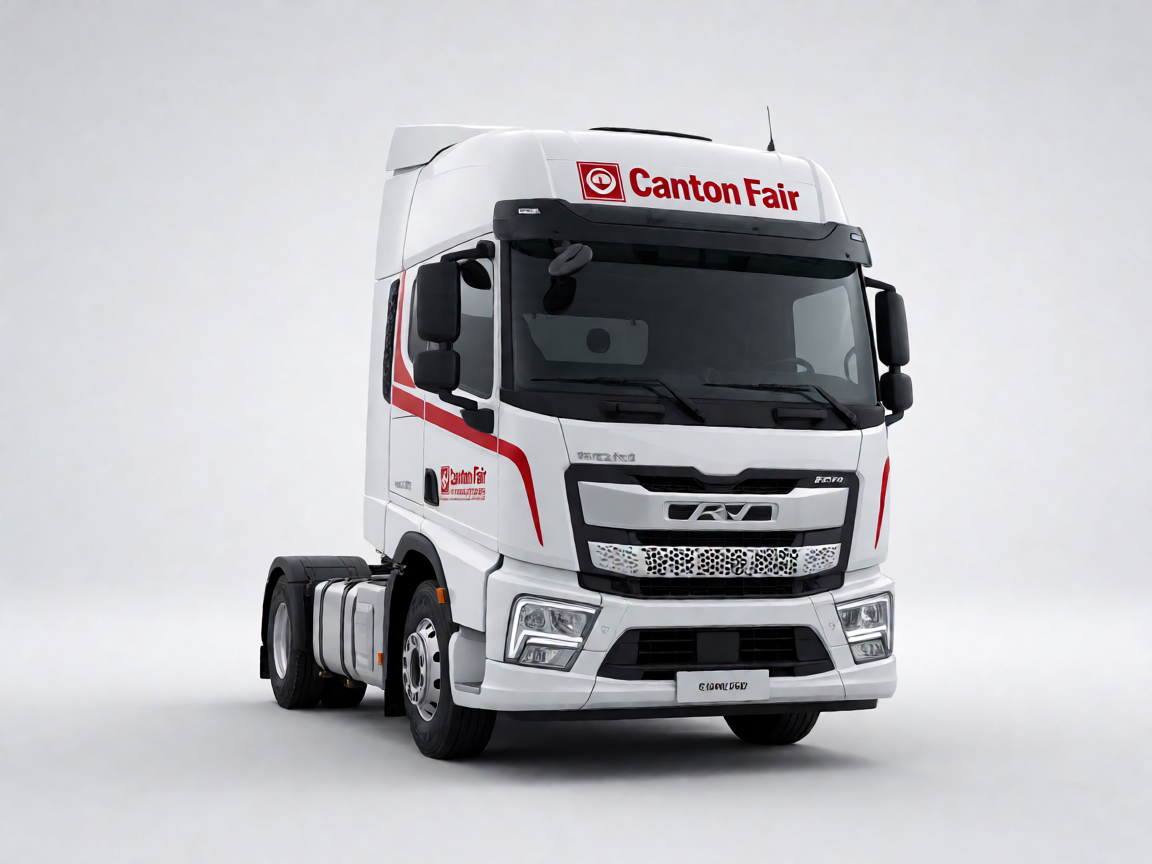
Canton Fair commercial vehicles Safety Overview
Commercial buyers attending the Canton Fair have long relied on this event as a primary sourcing channel for heavy-duty and special-purpose vehicles. The Canton Fair commercial vehicles section consistently draws international fleet operators, dealers, and importers who evaluate Chinese manufacturers for engine performance, chassis durability, and body work quality. Understanding what each manufacturer offers helps buyers make informed procurement decisions before committing to orders.
Overview of Canton Fair Commercial Vehicles
The Canton Fair has evolved into one of the largest platforms for commercial vehicle trade in Asia. Major Chinese manufacturers display their full product lines, including emergency response vehicles, liquid and gas transport tankers, and specialized utility trucks. Buyers from Africa, South America, Southeast Asia, and Europe visit these exhibitions to inspect vehicle construction, compare pricing, and negotiate terms directly with factory representatives.
Leading exhibitors typically showcase multiple vehicle categories under one roof. This arrangement allows procurement teams to evaluate an entire fleet specification during a single visit. Manufacturers demonstrate prototype vehicles, present technical data sheets, and provide on-site consultation from engineering teams who understand each platform’s design parameters.
Fire Trucks and Emergency Response Vehicles
Fire fighting trucks represent one of the most visible categories at the commercial vehicle exhibition halls. Chinese manufacturers produce foam fire trucks based on imported chassis platforms such as MAN and Volvo, as well as domestic chassis from Sinotruk and Shaanxi Fast.
Foam Fire Truck Specifications
Manufacturers display foam firefighting trucks built on MAN TGS or TGL chassis. These units feature water and foam twin-tank systems, onboard foam proportioning pumps, and monitor nozzles with adjustable flow patterns. Engine displacement typically ranges from 8 to 12 liters, delivering between 280 and 400 horsepower depending on chassis selection. The foam tank capacity varies from 2,000 to 5,000 liters, while the water tank holds between 3,000 and 6,000 liters.
Solution: Buyers should verify that the foam proportioning system meets EN 1390 or NFPA standards if the vehicle will serve in markets requiring certified firefighting equipment. Additionally, confirm that the pump operator station includes both manual and automated control modes for reliable field operation.
Heavy Rescue Vehicles
Rescue and recovery trucks build on heavy-duty truck platforms such as Sinotruk Sitrak or SHACMAN. These vehicles carry hydraulic lifting equipment, spreading tools, cutting sets, and mobile lighting towers. The body construction uses high-strength steel frames with modular equipment compartments that protect tools during transit.
Solution: Fleet operators should request a complete equipment inventory list before placing orders. Verify that hydraulic systems include backup power sources and that all tool mounting brackets match the specific equipment models you intend to carry.
Transport Tanker Trucks
Liquid and gas transport tankers form the largest product segment among commercial vehicle exhibitors. Manufacturers produce tankers for diesel, gasoline, chemical liquids, liquefied petroleum gas, and bulk powder materials. Each tanker type requires distinct construction standards based on the cargo it carries.
LPG Tanker Trucks
LPG transport tankers use pressure vessel construction with thick-walled steel or stainless steel shells. These tankers operate at design pressures between 1.6 and 2.2 MPa and include pressure relief valves, emergency shut-off valves, and level gauges. Chassis options range from 20,000-liter to 40,000-liter payload configurations depending on road weight restrictions in the destination market.
Solution: Importers must ensure that the pressure vessel certification matches their national standards. Many African and Middle Eastern markets require SONCAP, PVOC, or equivalent inspection documentation before customs clearance. Request the pressure vessel test report and material certificates from the manufacturer before signing the purchase contract.
Chemical Liquid Tankers
Chemical transport tankers feature multi-compartment designs with stainless steel or carbon steel tanks separated by bulkheads. Each compartment serves a different product type to prevent cross-contamination. Manufacturers equip these tankers with heating coils for viscous cargo, agitation systems for powder transport, and inert gas blanketing options for flammable liquids.
Solution: Verify that the tank material grade matches the chemical compatibility requirements for your intended cargo. Stainless steel 304 or 316L construction suits most acid and alkali transport applications, while carbon steel tanks require internal coating protection for certain chemical cargoes.
Key Technical Considerations for Buyers
Engine selection represents the most critical specification when evaluating any commercial vehicle. Chinese manufacturers offer engines from Weichai, Yuchai, and Cummins, alongside imported power units from Mercedes-Benz, Cummins, and MAN. Buyers should compare fuel consumption data, maintenance interval specifications, and parts availability in their home market before selecting an engine platform.
Transmission and axle configurations also influence total cost of ownership. A 12-speed or 16-speed manual gearbox paired with a heavy-duty drive axle rated for your expected load class provides reliable service life in demanding operating conditions. Meanwhile, automatic transmission options improve driver comfort but increase initial purchase price and reduce fuel efficiency in stop-and-go delivery routes.
Body manufacturing quality directly affects vehicle longevity. Examine weld seam quality, paint preparation procedures, and component fitment during factory inspections. Manufacturers that perform sandblasting before painting and apply electrocoat primer beneath the top coat typically deliver superior corrosion resistance in tropical and coastal environments.
Sourcing and Ordering Process
Successful procurement begins with clear specification documentation. Buyers should prepare written requirements covering payload capacity, chassis dimensions, engine power rating, body material, and any regulatory certifications needed for their destination market. Manufacturers then prepare quotations aligned with these specifications.
Payment terms typically involve a 30 percent deposit upon order confirmation and the remaining balance against shipping documents. Letter of credit arrangements provide additional security for large fleet orders exceeding five units. Buyers should also confirm warranty terms, spare parts availability, and technical support provisions before finalizing the purchase agreement.
Finally, third-party inspection services offer valuable quality verification before shipment. Companies such as SGS, Bureau Veritas, and CCIC conduct pre-shipment inspections covering dimensional checks, pressure test verification, paint thickness measurement, and functional testing of all vehicle systems. This step reduces the risk of receiving vehicles that do not match the agreed specifications.
Canton Fair commercial vehicles requires proper operation, inspection, and maintenance to reduce safety risks.


